The Value of a Death Doula: Arguments for the Value of End-of-Life Doula Care
An interview with Omni Kitts Ferrara, International End-of-Life Doula Association (INELDA)
A big part of persuading people – individuals, organizations, funding bodies, government – that doula care is valuable and worth investing in, is providing concrete data that proves that doula care improves outcomes for the people who receive it. It has been relatively easy find this data for birth and postpartum doulas, as parents are often willing to testify to the positive experiences they’ve had with doulas, and may also be able to compare to birth and postpartum experiences without a doula. Thankfully, there is a growing body of evidence that doula care improves physical and mental health outcomes for moms, as well as better health outcomes for babies.
It is less straightforward to acquire this data for end-of-life doulas. The primary recipients of the care – dying people – may not be in a position to offer feedback on their experiences, and of course, once they have died, this becomes impossible. Furthermore, there is no possibility to compare with previous experiences. As such, data is limited, and this makes it hard to persuade people of the value of this type of care, or that end-of-life doulas deserve to be paid for their work.

Omni kitts ferrara
I had the privilege of talking with Omni Kitts Ferrara, the Director of Education at the International End-of-Life Doula Association (INELDA), about ways to make the case for the value of end-of-life doula care. Omni has worked as a birth doula, an L&D nurse, a pediatric hospice nurse, an in-home carer for medically fragile children, and, of course, as an end-of-life doula. This work has been woven into her life since a young age, when she would accompany her mother to volunteer at a hospice, and was later involved in the home hospice care of three of her grandparents. As a result, she has always had an ease with the reality of death stemming from both her personal and professional life.
Although Omni has seen and heard plenty of qualitative data about the positive impact of death doulas, she has also experienced frustration with the difficulties in obtaining quantitative data. However, she pointed to several ways that can illustrate the value of this work in its absence.
The role of doulas within teams
In her experience as both a hospice nurse and an end-of- life doula, Omni has observed that hospice care teams often do not believe they need the help of an end-of-doula on the team, and feel that the work done by a doula is already covered by what the work of the team. However, when a doula is present to complement the work of care teams, members report feeling able to do their jobs better, and being less burdened. The doula acts as a thread through the different facets of hospice care, improving communication and coordination, and alleviating distress that nurses can experience at not being able to spend more time with, or be more attentive to, their patients. Doulas are able to be present to the dying in a way that other members of clinical care teams are not.
Improves positive bereavement outcomes
When a dying person and their loved ones have chosen doula care, they are able to have more meaningful conversations about their care and their desires for their death, and the loved ones are able to receive more support than most people can. Of course, grief cannot and should not be avoided it, but with doula care, it can become more tolerable, even meaningful – it becomes less of a prison. In turn, this can help people to reintegrate into their roles as employees, parents, or carers more easily, providing a potential economic as well as social benefit.
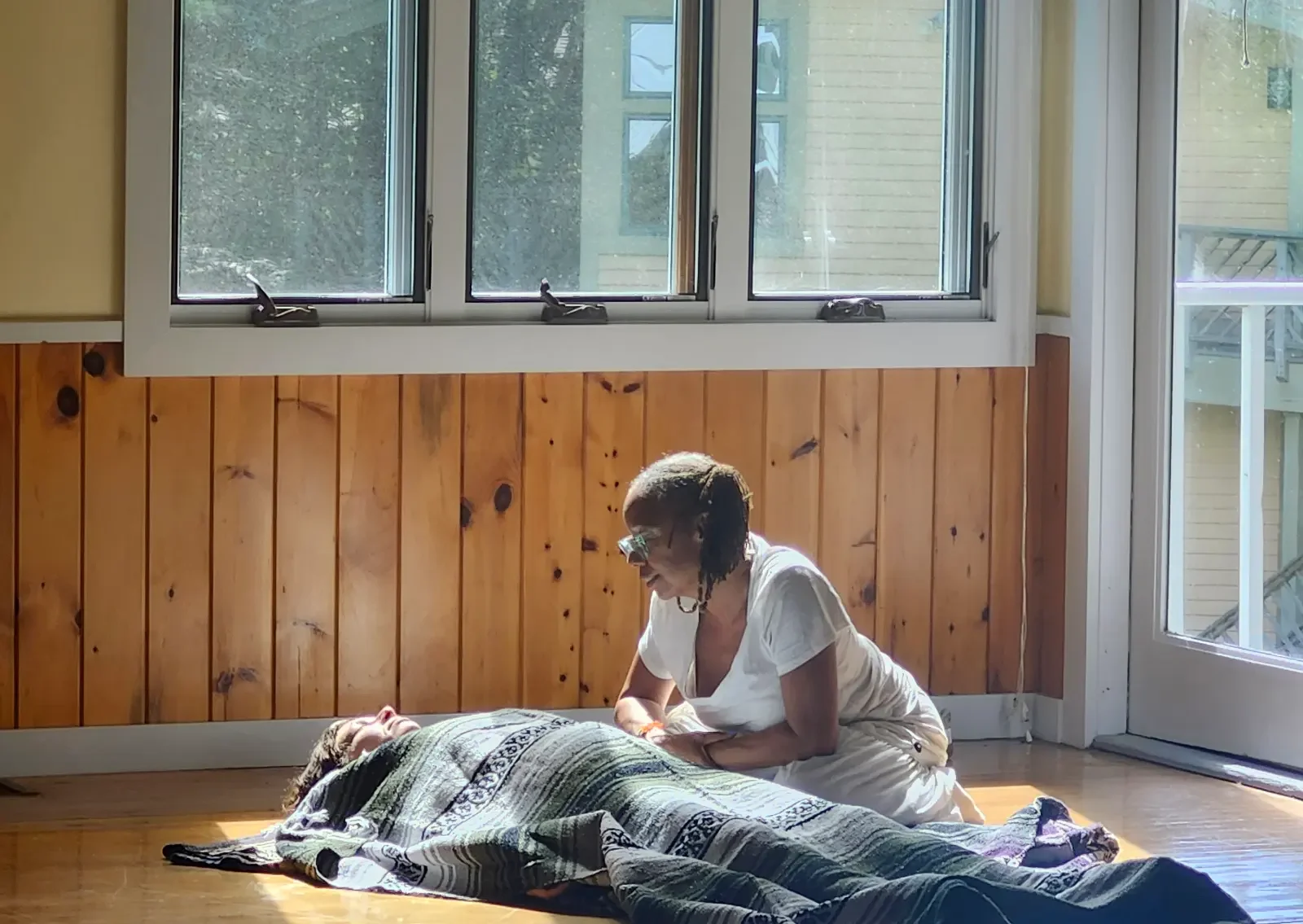
An Inelda student experiences guided imagery, a useful relaxation technique at the end of life.
The palliative care parallel
Although research into end-of-life doula care is scant, there is a lot of research into palliative care, an adjacent field that can offer valuable insights. People who receive palliative care generally have shorter hospital stays than those who don’t; they choose to die at home; and they are more likely to stop aggressive treatments. All of these factors significantly drive down the cost of caring for dying people. These choices are driven by education, informed consent, and improved quality of life – all factors that can be supported by end-of-life doula care. This provides a solid hypothesis for a strong economic benefit when doula support is provided to dying people.
Pressures of an aging population
Across the world, governments and health care systems are having to grapple with the reality of an aging population. We are going to have far more older people than younger people, and a lack of infrastructure to deal with this. End-of-life doulas could play an invaluable role in bridging the gaps in public healthcare capacity. Within 2-3 decades, it will become a necessity to increase the number of people poised to care for the dying, and doula care is a pre-existing pool from which these resources could be drawn.
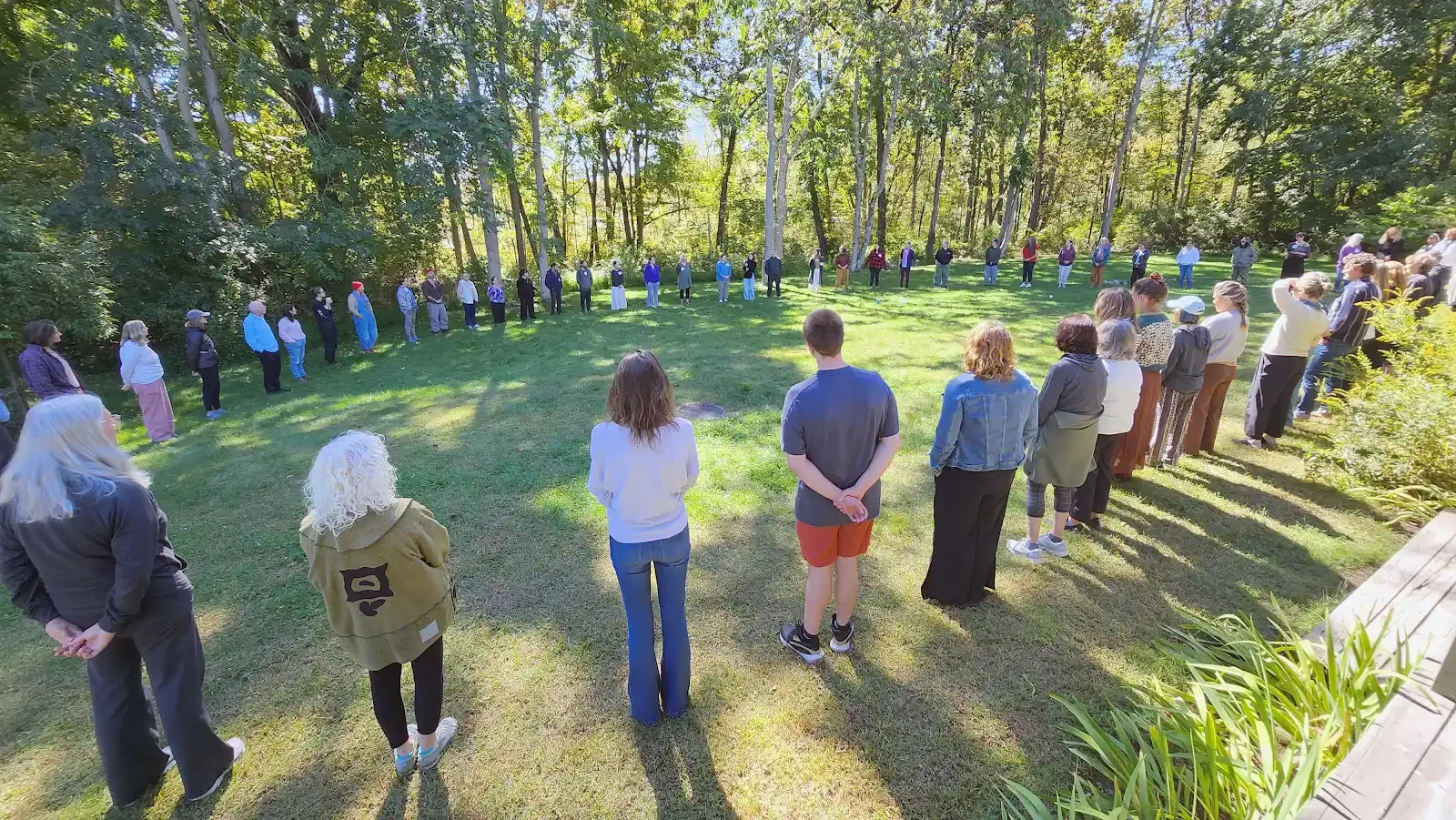
inelda end-of-life doula training
It can feel a little uncomfortable to talk about the value of doula care – a deeply human profession, driven by compassion, not economics – in terms of cost saving or financial benefit.
But the reality is that these arguments need to be made in order to persuade those who have the power to make doula care more accessible and equitable, that it is beneficial to do so. My talk with Omni illustrated that these arguments already exist, and we should feel empowered to talk about them when appropriate. Although stories and experiences are an essential part of bringing the importance of doula care into the public conversation, the case is even stronger when we can tap into socio-economic arguments, too.