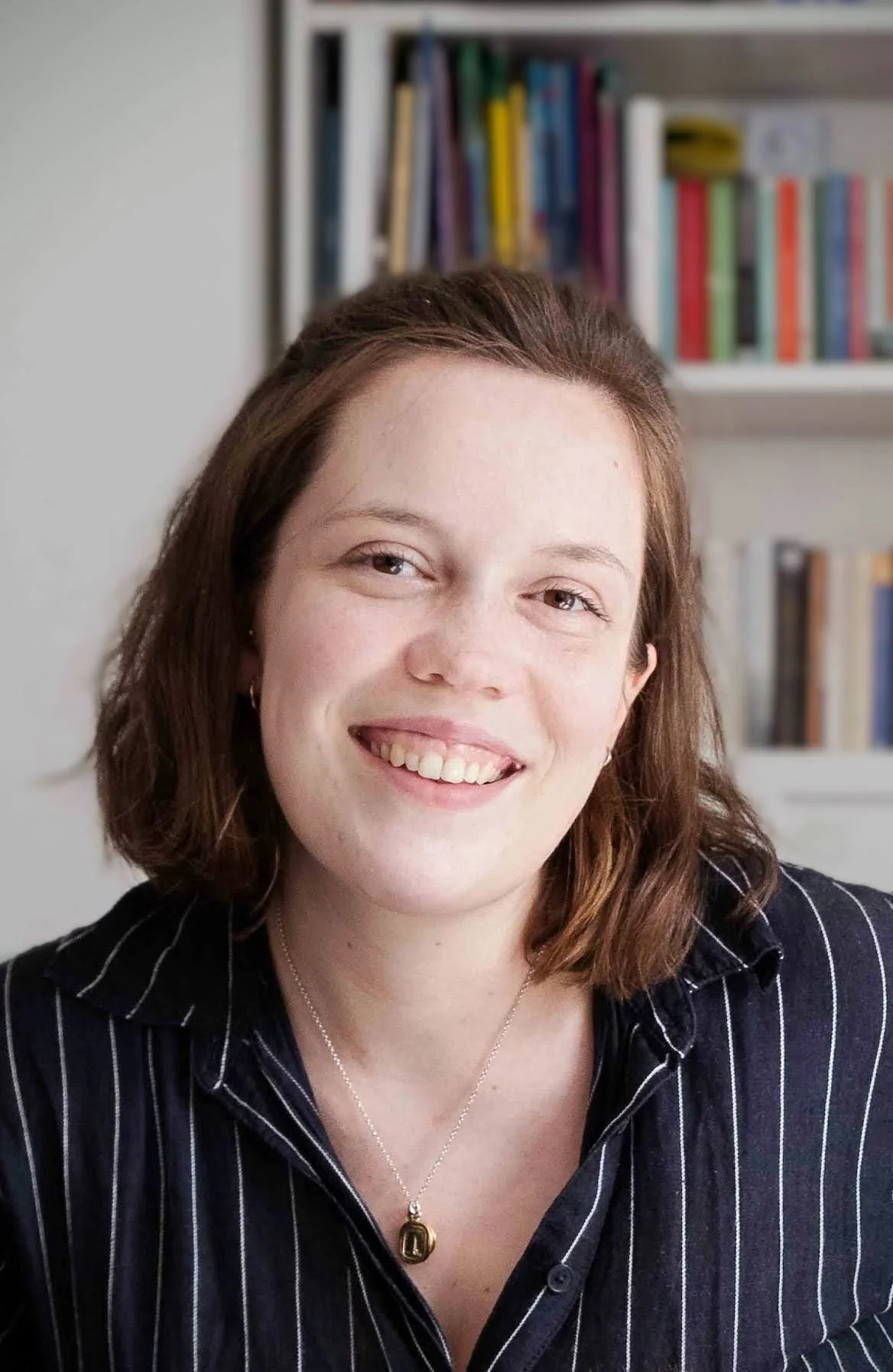
An interview with Catalina Mahecha
When we talk about doula care, we often talk about choices. Whether at birth, death, postpartum, or during a bereavement, doulas can help their clients work through the choices available to them and decide what their preferences are at the major transitional moments in their lives.
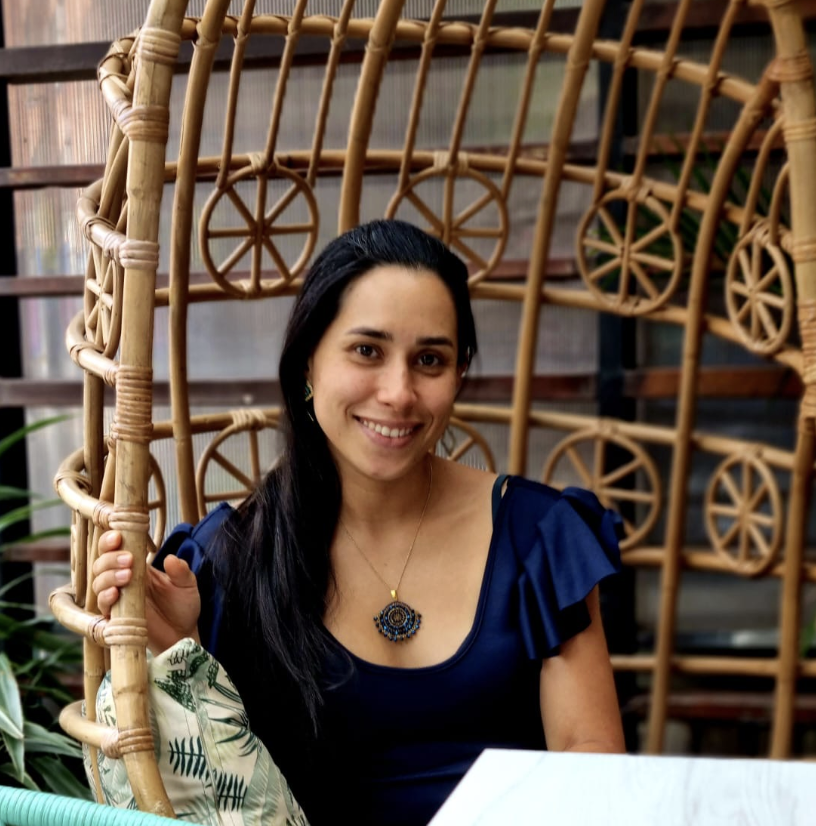
Catalina mahecha Cruz is an end of life doula and co-founder of la Red Latinoamericana de acompañamiento en la muerte y el duelo.
Do they want a home birth, or a hospital birth? Water birth or epidural? Do they want to die in a hospice, or at home? Pharmaceutical pain management, or not? Would they rather be buried or cremated? And so on. The problem with this paradigm, says death doula Catalina Mahecha, is that only a fraction of the world’s population has access to such choices.
In the Global South, only 14% of the population has access to palliative care when they are dying. Likewise, the majority of the world’s population has few choices when it comes to giving birth. Even within multicultural developed nations, the choices available to different populations can vary widely. So how helpful is a model of doula care predicated on choice?
When Catalina attended English speaking end-of-life doula programs aimed at doulas in the US, the UK, and Australia, she was struck that they didn’t have much relevance to people from her cultural background. Growing up, she witnessed the deaths of people in her family and community in their homes, attended by people who had to learn how to care for the dying through observation and transmission of cultural practices, rather than becoming certified through a regulated or regulatory body. These people did not have a choice: palliative care or care in a hospice or hospital was simply not an option.
To Catalina, the goal in these contexts was not to offer choice, but to be present to the unfolding of life into death in a manner that is culturally coherent to the dying person and their loved ones.
There is a growing tension between the doula as a movement, and the doula as a certified but non-medical profession that interacts with the health system. The curriculum for these certification programs is predicated on a colonial perspective that assumes a Western medical baseline. Perhaps without noticing, many English-speaking training programs push an agenda focused on medicalized options – such as hospice care, palliative management, sedation, and medically assisted dying – treating these as universal standards for a “good death”. Teaching a “choice-based” medical framework means that if the program is exported to countries in the Global South, there is an absence of practical tools for supporting families who must care for the dying at home without medical or pharmaceutical support.
Doulas, she says, are a symptom of societies that have forgotten how to care for their dying, or birthing.
Their existence and proliferation is not something to be celebrated: in an ideal world, they would be obsolete, and their role would be filled by families and communities. That said, she is not opposed to doulas – after all, she is one – but wishes that the conversations around different practices were approached with greater curiosity. By framing medical interventions as the gold standard, alternative practices – traditional, ancestral, or community based – are ignored, despite the fact that these approaches have successfully cared for the dying outside of medical systems since time immemorial. Where do different rituals and traditions surrounding birth and death come from? Why were they maintained in some communities and not others? When, and how, is it appropriate to transpose a practice from one culture into another?
For a more culturally sensitive and decolonized future of doula care, Catalina believes that we need to make space to listen to people with a diverse range of backgrounds and experiences in doing doula or doula-like work – not simply people with certifications.
Whilst some training and certification is useful as a means of providing protections and risk awareness, it is not a substitute for lived experience, and nor is it of higher value. Expensive certification programs risk barring people with experiences embedded in their own cultures from being able to bring their knowledge to communities that could benefit from their particular skillset and profile. The most valuable thing we can do going forward is to invite different voices and perspectives, listen to them with openness and curiosity, and acknowledge the origins of the knowledge, traditions, and practices we acquire.
The Global Doula Project is a 501(c)(3) nonprofit on a mission to transform the way we experience birth and death by making doula support accessible and affordable to families around the world. Your donation of any amount will expand access to culturally appropriate care for families in need.