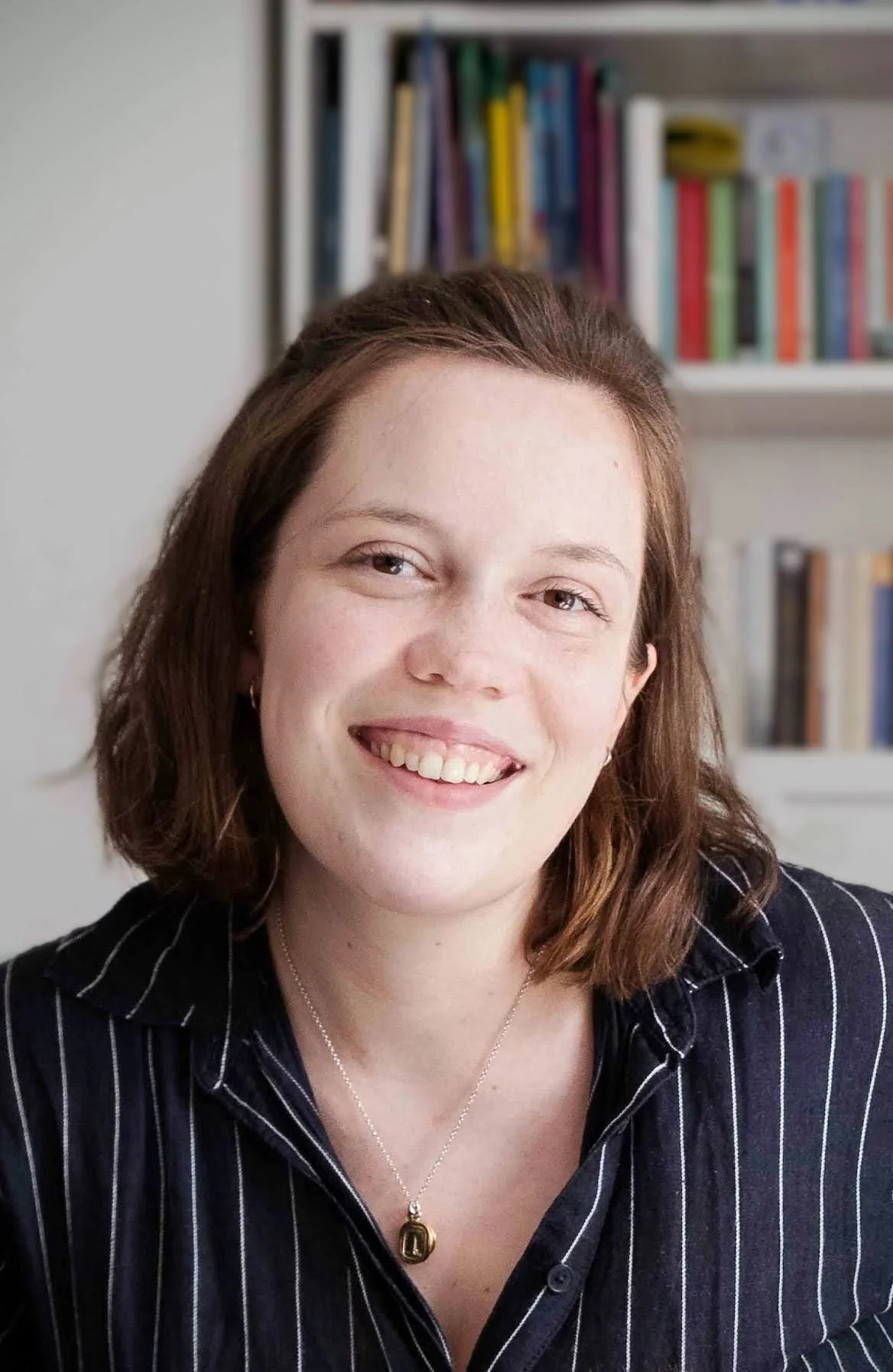
In my interview with Catalina Mahecha, a death doula working in Australia with origins in the Global South, she highlighted a tension in doula work and the way we talk about it: the doula “movement” versus the doula “profession”.
The doula “movement” is primarily about presence and witness during the major transitions of birth and death, and involves the transmission of cultural knowledge. It is community based, and does not require validation via certification or training. In the doula “profession,” the role centers on the doula’s ability to “help,” and to navigate systems such as insurance, hospice protocols, and administrative bureaucracy.
The problem, as Mahecha sees it, is that there is a major disparity in visibility. Professional organizations with a medical baseline are much better poised to attract funding, and tend to be adept at marketing and advertising their services. Meanwhile, grassroots and community-based programs lack recognition or investment, as their value is harder to communicate or quantify with data. This becomes a vicious cycle in which professional doula organizations gain increasing traction and dominate the conversations around doula work, making it harder and harder for grassroots doulas to contribute their voices and insights.
If we are to break this cycle, and return to a human-centered approach that prioritizes emotional, cultural, and relational care, then community-led initiatives and grassroots organizations need greater support. Mahecha identifies three pillars that would facilitate a return to the “human path”:
Broadening knowledge keepers-
directing resources towards people who have always held knowledge about how to care for community members during the transitions of birth and death: grandmothers, village elders, traditional undertakers, artists, and anthropologists.
Valuing lived experience-
treating the expertise of those who have been organically involved in births and deaths in their communities as equal – or superior – to those who have obtained formal certification.
The directory model-
using tools like Global Doula Project’s directory to help families find culturally coherent care, ensuring they aren’t forced to choose between a highly marketed professional organization, and valuable traditional knowledge that is relevant to their own cultural, ethnic, or religious background.
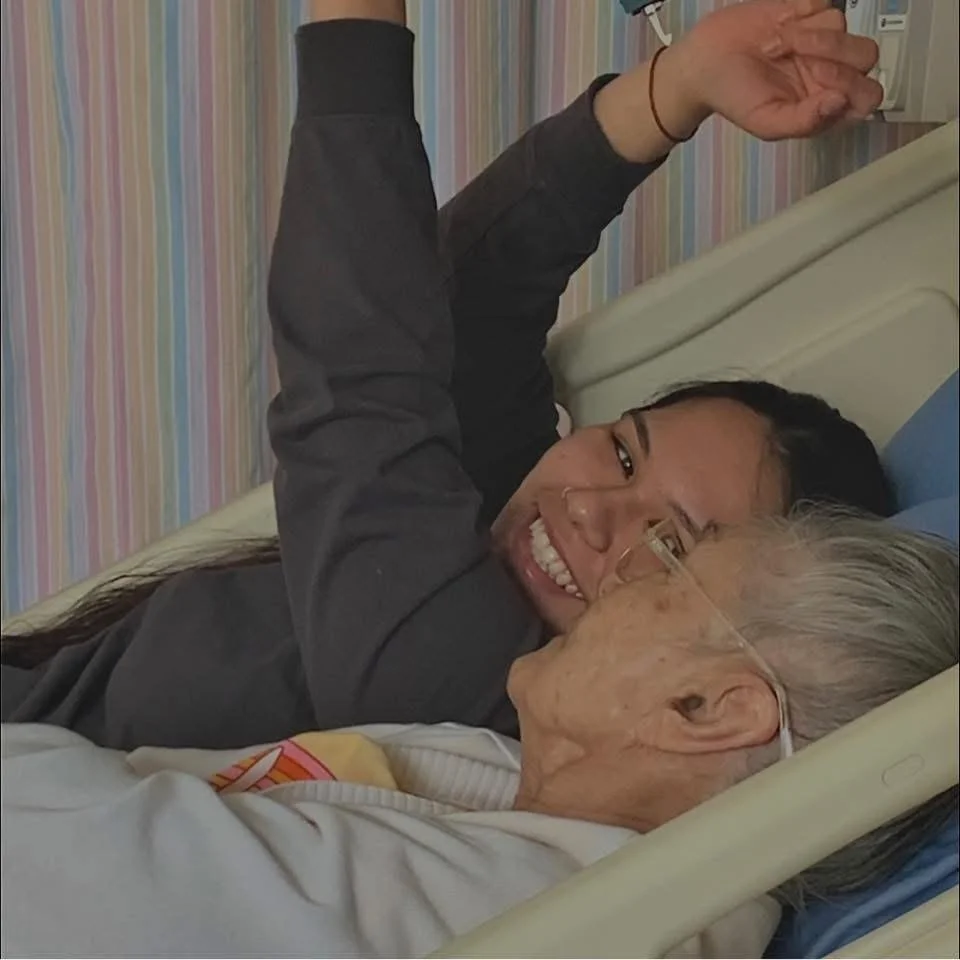
Image from Lifting their minds, an End of life support and training organization in akwesasne, a sovereign mohawk community in North America, 2025 Global Doula Project grant recipients.
The tensions that are emerging as doula care becomes more popular echo the history of midwifery and birth work.
As midwifery professionalized, the knowledge and experience of “lay” midwives who possessed community-held wisdom was erased in favour of institutional legitimacy.
Doula care is currently at a crossroads, and we must decide if we will repeat this pattern, or honor those who havealways known how to support people are they bring forth new life, or depart from it.
In order to forge a unified path forward that focuses on embedding human-centric care principles, Mahecha argues, all actors must face up to systemic power imbalances and the default reliance on medicalized care in the world of doula care.
Interested in joining the Global Doula Project to increase access to support and training? Explore the many ways to give.