
An ancient trade or modern profession?: The complex landscape of doula training and certification
Understanding the complex landscape of doula training and certification requires looking past the rigid structures of modern medicine.
The pathways to becoming a non-medical support companion are as varied as the human experiences they honor. This ecosystem extends far beyond the labor room; while birth doulas are the most recognized, the profession also encompasses postpartum, full-spectrum, and end-of-life doulas. Historically, long before certificates, modular curriculums, or weekend workshops existed, the role of a doula was an intuitive extension of community life. For centuries, individuals experiencing life transitions were surrounded by experienced mothers, elders, and neighbors who shared traditional wisdom and provided a continuous, comforting presence. Today, this tradition of oral history and hands-on apprenticeship remains vital. Many dedicated doulas practice without a piece of paper from a modern corporate entity. Instead, they learn through lifelong mentorship within their neighborhoods or families, engaging in an organic, non-structured form of care that honors cultural variations that cannot be standardized by a textbook.
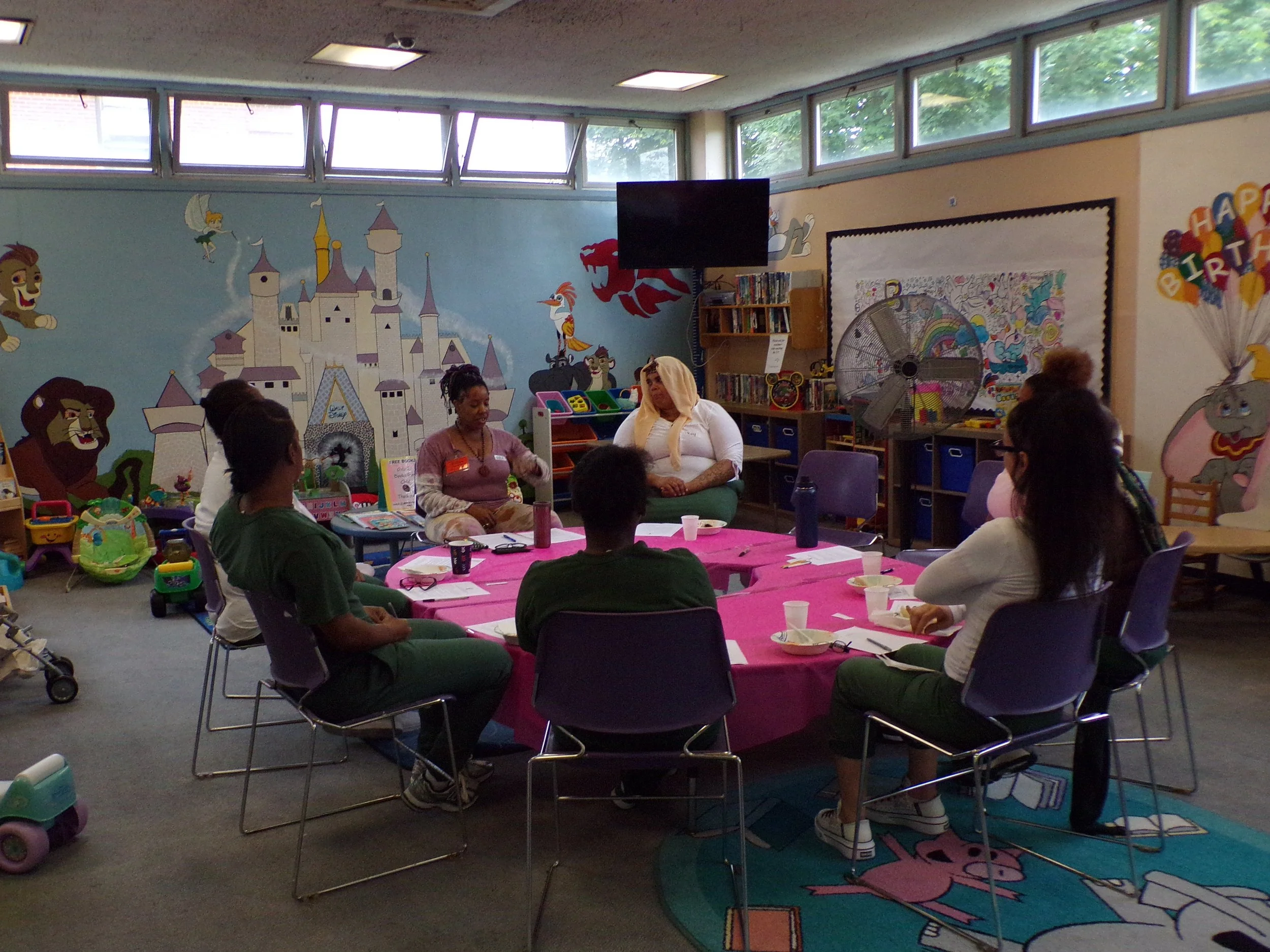
Aspiring postpartum doulas prepare to support fellow incarcerated individuals at bedford hills correctional facility in New york, 2025 scholarship recipients.
A common misconception among families and aspiring care workers is that a doula must be certified to practice legally.
In reality, certification is completely optional because there is no national licensing board or central governing body for the profession. Because doula care is strictly non-medical, focusing entirely on emotional encouragement, physical comfort, and informational advocacy rather than clinical tasks like checking vitals or managing medical outcomes, it does not fall under governmental medical licensing regulations. This lack of a single oversight body protects the autonomy of the profession, allowing it to adapt freely to different cultural norms, religious traditions, and community needs without institutional barriers that often exclude marginalized care providers. Many doulas choose to complete formal training programs but consciously decide not to certify or maintain credentials with an organization. Financial barriers play a significant role in this choice, as many certifications are not lifelong and require ongoing renewal fees. Others opt out of formal certification to maintain professional autonomy, avoiding pressure to uphold specific political beliefs or shifting organizational values that a certifying body might choose to publish later on.
For individuals who choose a structured path, the modern training ecosystem has evolved into a mix of independent small businesses, large international organizations, and flexible learning styles.
Within this system, experienced doula trainers frequently run independent, localized businesses offering direct care while simultaneously maintaining a formal association with a larger organization whose curriculum they license for in-person workshops. Many prominent entities offer self-paced online options to accommodate busy adult learners. Organizations like Birth Arts International have long championed independent distance learning, allowing students to complete reading lists, essays, business planning, and local networking entirely on their own schedules, removing the geographical and financial barriers of mandatory travel.
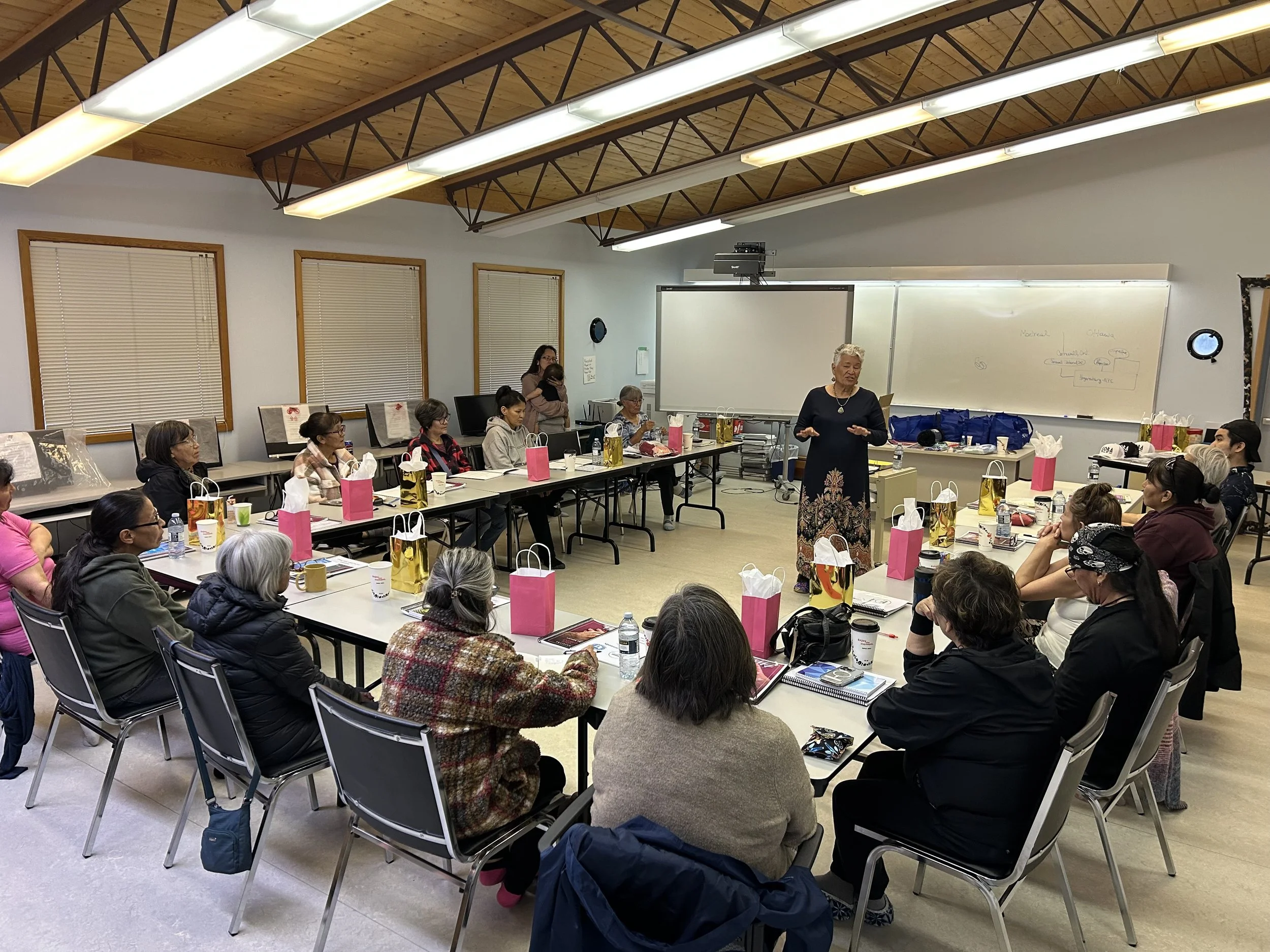
Diane Boots of akwasasne, a mohawk community in upstate new york and quebec, Canada, strives to maintain end of life community practices and rituals. Lifting their minds is a 2025 gdp grant recipient.
The timeline and requirements for obtaining credentials vary significantly between these entities. Some utilize a staged approach where attending an initial workshop grants the title of "trained doula”, requiring students to complete extensive post-workshop steps, such as attending a minimum number of births, writing reports, and submitting evaluations, to become fully certified. Other programs choose to certify students immediately upon completion of an intensive course. However, despite the lack of official legal mandates, modern institutional pressures increasingly push doulas toward formal certification. An increasing number of hospitals have enacted strict policies regarding who is permitted in the delivery room, creating pressure on birth doulas to certify with specific legacy organizations simply to be granted access to support clients. As systemic shifts move toward making doula care more financially accessible, many states now require specific state-approved or organization-backed certification to qualify for Medicaid reimbursement or insurance payment.
Understanding the structural layout of modern doula education reveals a highly decentralized network where the name of a parent organization rarely tells the whole story of how care workers are trained on the ground.
Major organizations operate primarily as certifying umbrellas, curriculum designers, and credentialing boards rather than centralized schools. To expand their reach, these parent organizations rely on a network of approved independent trainers, or faculty members, who act as regional conduits for their specific methodology. These trainers are authorized to teach the proprietary curriculum but function as autonomous business entities, managing their own workshop logistics, scheduling, marketing, and student mentorship. Consequently, aspiring doulas living in Ohio, Texas, and California might all pursue a credential from the exact same national organization, but their actual educational experience and direct mentorship will be entirely shaped by three different local trainers running independent operations.
This distributed framework creates an administrative landscape vastly different from standard institutional education, leading to an array of localized learning options that a singular corporate website cannot adequately display. Because independent trainers schedule workshops based on regional demand, venue availability, and personal calendars, the true availability of doula education exists as a moving target scattered across hundreds of individual trainer websites and local community boards.
That is exactly why the Global Doula Training Directory by the Global Doula Project does so much more than just list the big national organizations.
By focusing on the specific, localized workshops and independent trainers teaching in different neighborhoods, our directory becomes a true bridge for aspiring doulas. It honors the wonderfully decentralized heart of this work, making it easy for you to find the passionate, boots-on-the-ground educators holding spaces right in your neck of the woods or offering unique, community-specific learning tracks. Ultimately, whether your heart is calling you toward birth, postpartum, or end-of-life care, your journey almost always begins with a meaningful local connection to an individual trainer rather than a corporate office.
If you have a doula training that should be on our directory, we invite you to submit it here:
We are proud to showcase a few of the many training organizations that have already submitted their information to be a part of the Global Doula Training Directory - coming soon!
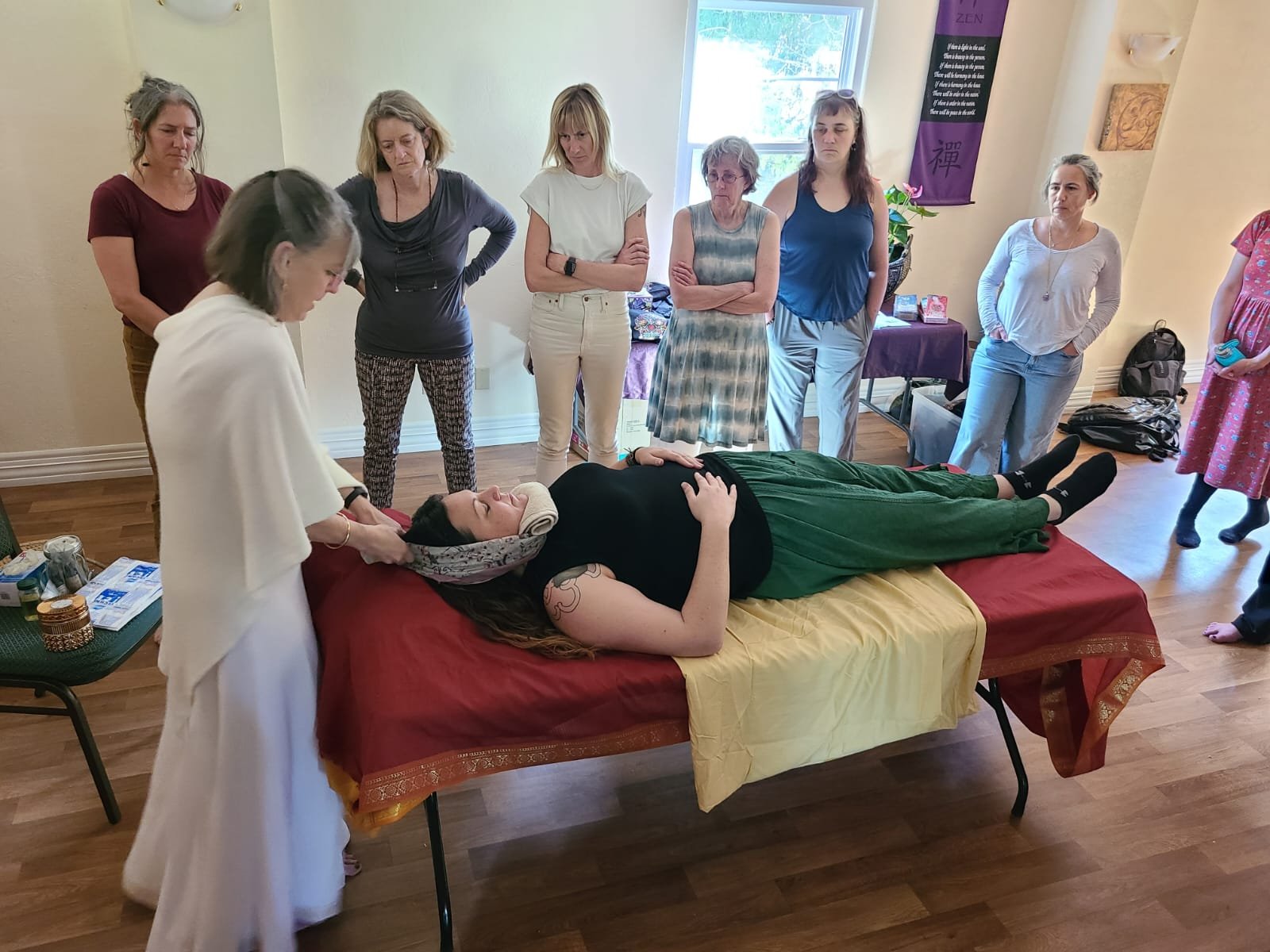
The HeartWay End of Life Practitioner and Death Doula Trainings
California, USA
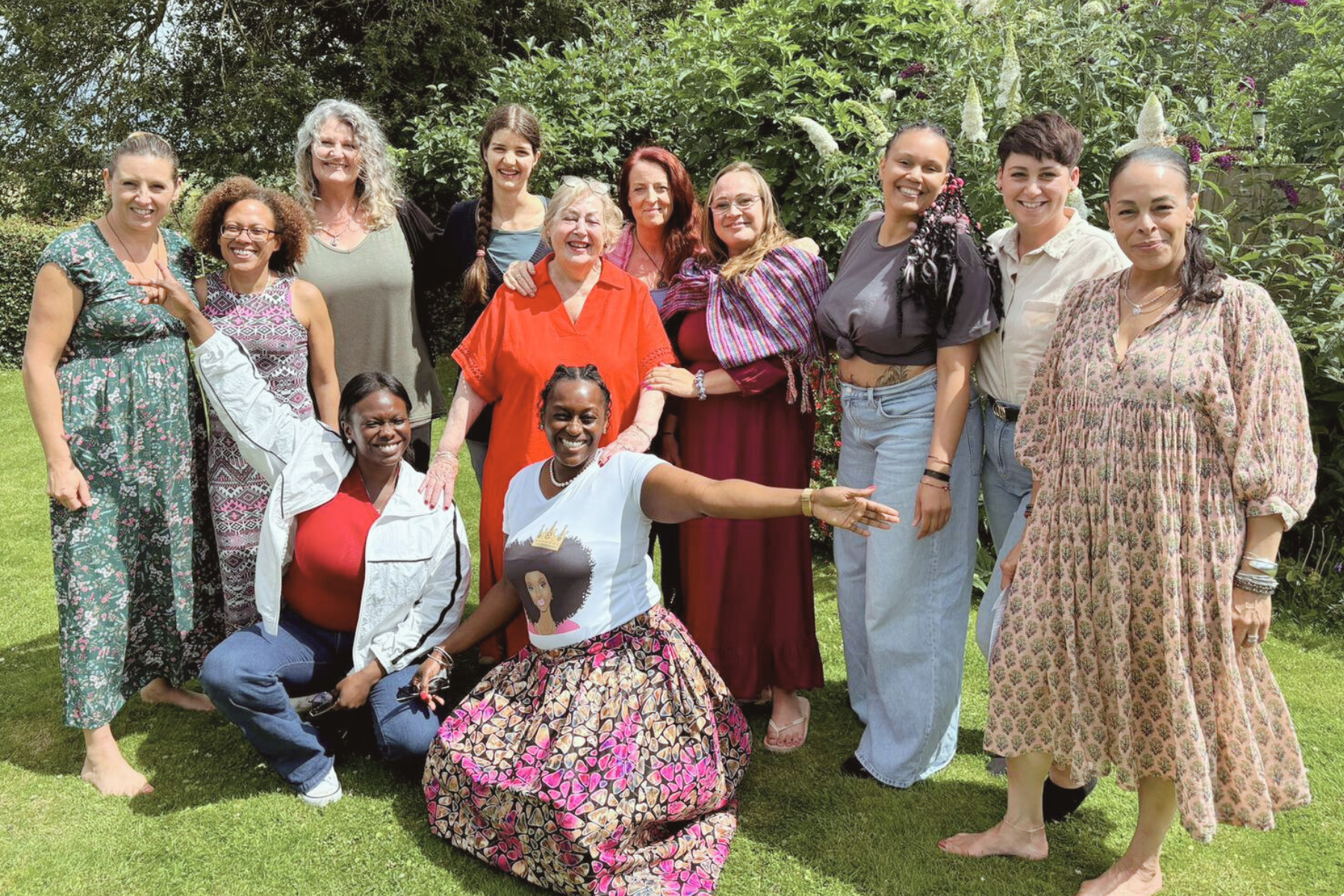
Developing Doulas Birth and Postnatal Doula Preparation course
United Kingdom in person and online
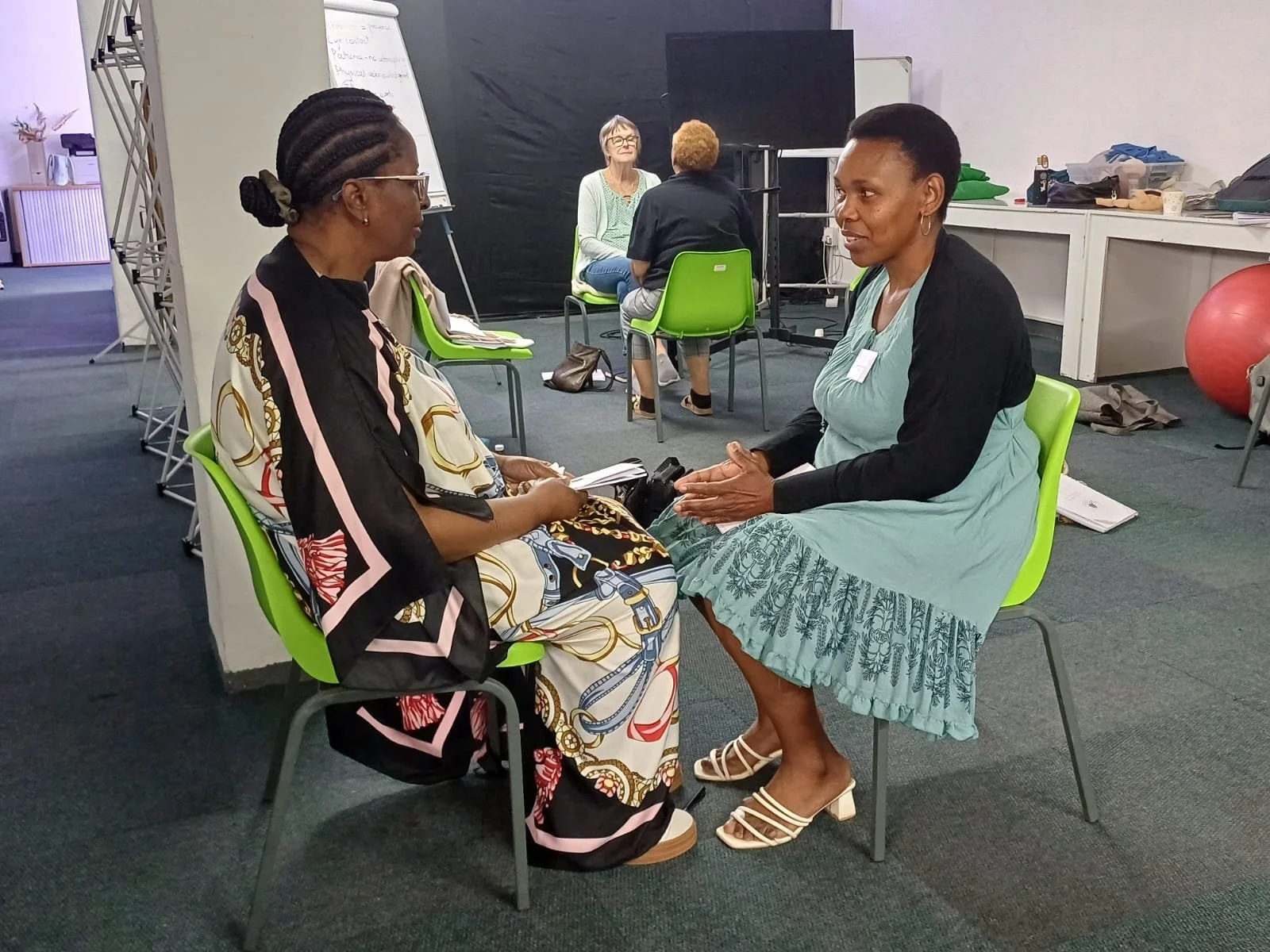
Mama Bamba Birth and Postpartum Doula Training
South Africa and Online
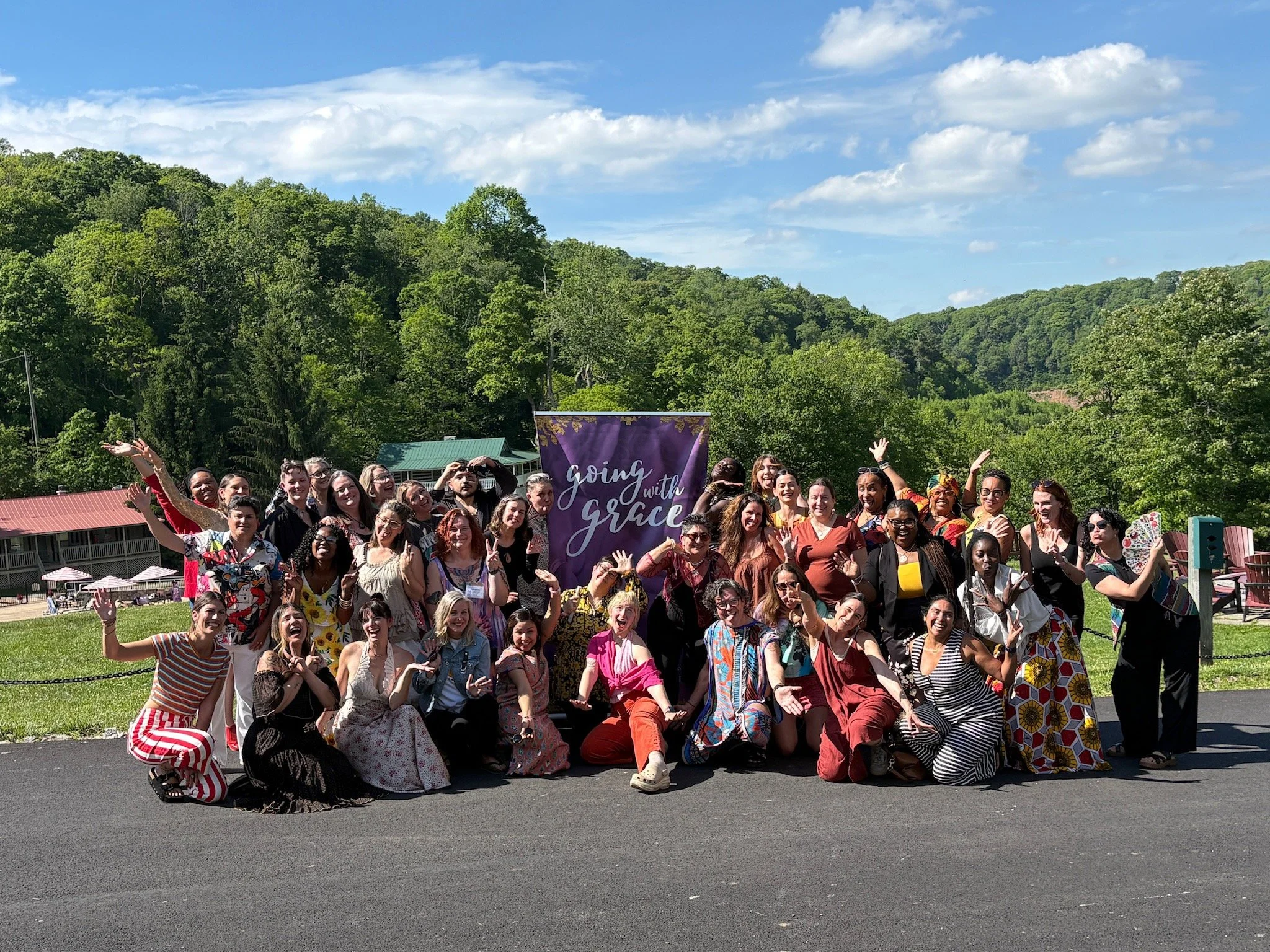
Going with Grace End of Life Doula Training
U.S. nationwide based online courses and hybrid retreats
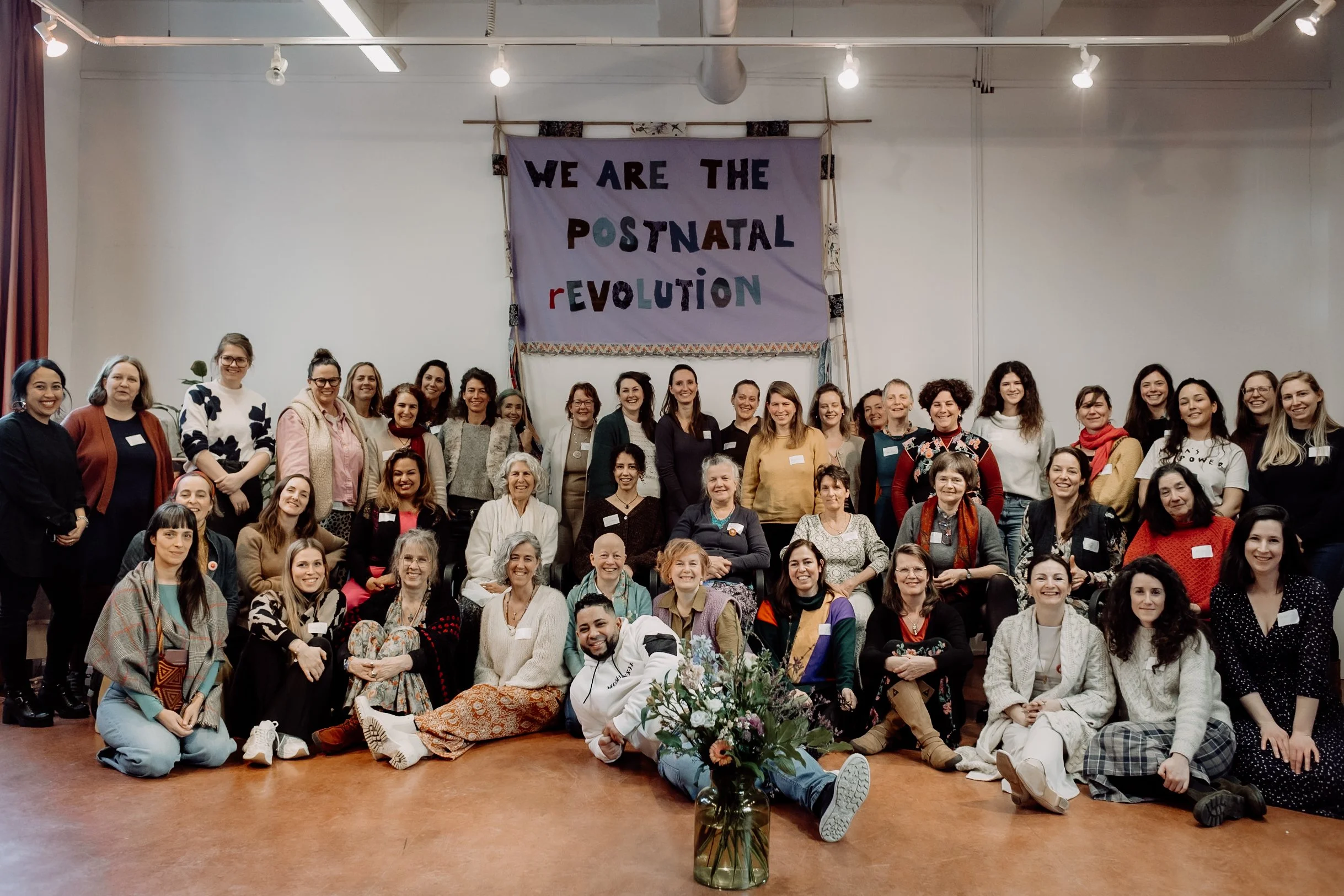
Postnatal Support Network
Postpartum doula training courses worldwide
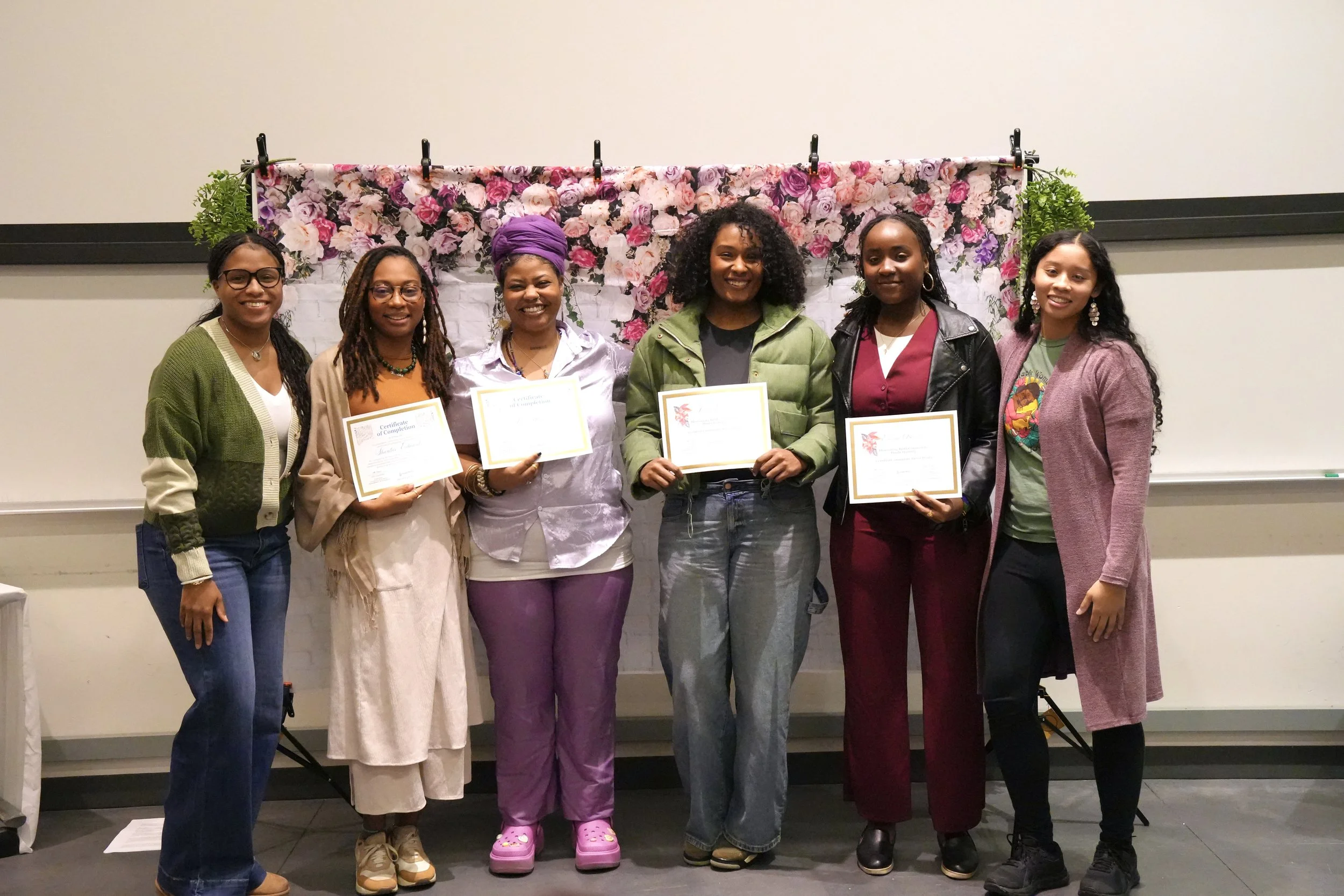
Blossoming Birth Community Doula Training by Sister Web.
Oklahoma, USA
End of Life Doula Training Course