Bereavement doulas : bridging the gap in care for families facing baby loss
Bereavement doulas support families through the harrowing experience of baby loss.
This could be as a result of miscarriage, stillbirth, or a life limiting diagnosis. Despite the sad reality that baby loss is not unusual, most birth workers are not equipped to offer families the care and resources needed when a baby dies. Bereavement doulas can bridge that gap.
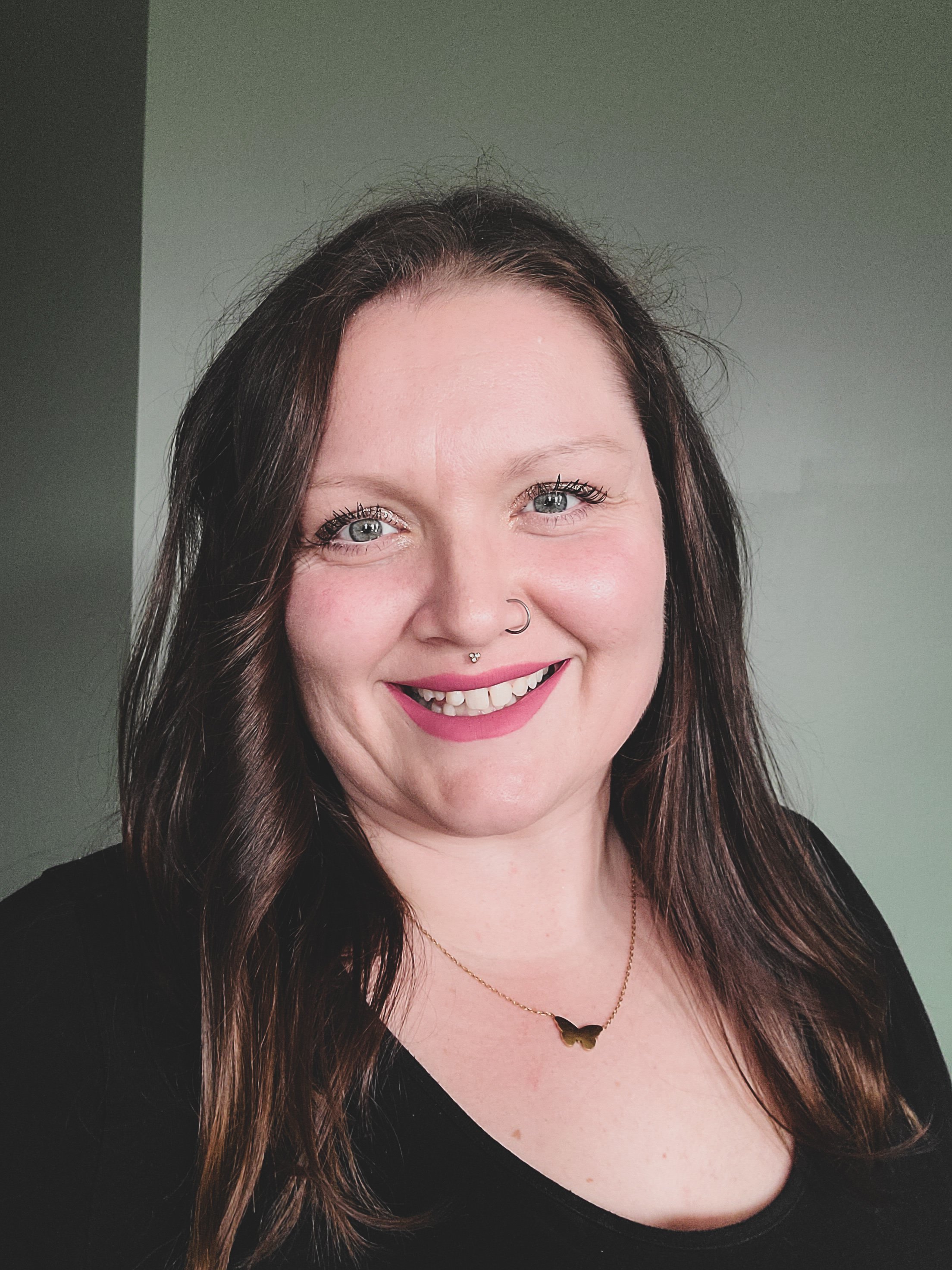
Vallen created Evelyn James & Company after the loss of her daughter Evelyn.
Vallen Webb, whose daughter Evelyn was stillborn in July 2019, believes that most doctors, nurses, and midwives are doing their best within a limited system. Hospitals have a lot of red tape which prevents them from stepping outside their specific, defined roles, and generally speaking, medics have not been trained in how to offer bereavement support. Vallen’s own experience of baby loss compelled her to create something that would help to fill this need, and so she developed a training programme to equip those who work with families facing bereavement associated with baby loss.
Although some people are able to anticipate the loss of their baby - for example if the baby is diagnosed with a condition that means they will die before or shortly after birth - many people “don’t know they need loss support until it’s too late”, says Vallen. As such, Vallen has created what she calls a “911 doula line”, so that when loss happens, other birth workers can call Vallen and she can help them come up with a plan of care to support the families they are working with. The work of bereavement doulas is inherently collaborative: they don’t replace hospital medics, birth or postpartum doulas, or therapists, but instead work alongside them to ensure that bereaved families can receive support that is adapted to their specific set of circumstances.
Bereavement doulas may work with families both during pregnancy and after delivery. If there is a prenatal diagnosis, a bereavement doula may help families to make sense of medical jargon, to understand what their options are for the birth of the baby, and what the time they have with their baby might look like. They can also help families to decide how they would like to memorialize their baby, and what kind of funeral or memorial they wish to have. It is invaluable to have the accompaniment of someone who is familiar with both the medical and the emotional complexities of a specific family’s circumstances.
A particular gift of having the support of a bereavement doula is continuity of care. A family facing baby loss may encounter a range of specialist doctors, OBs, nurses, and social workers, but these people tend to work as teams and are unlikely to be able to walk alongside families at every step of the pregnancy, birth, and when applicable, post-natal care. They also usually have constraints on how long they can continue to work with a particular family. However, bereavement doulas are able to accompany families for as long as the support is needed, as well as being less constrained by shifts, traditional working hours, and the demands of having large numbers of patients at any given time.
Unfortunately, Vallen says, it is still very difficult to persuade people of the value and importance of bereavement doulas, and although there are resources available, many people do not know that they exist, or how to access them. Most families who face this heartbreaking situation will not receive the support they need. The work needed, therefore, is not only to train birth workers in bereavement support, but to raise awareness among loss families and those who support them that help is available.