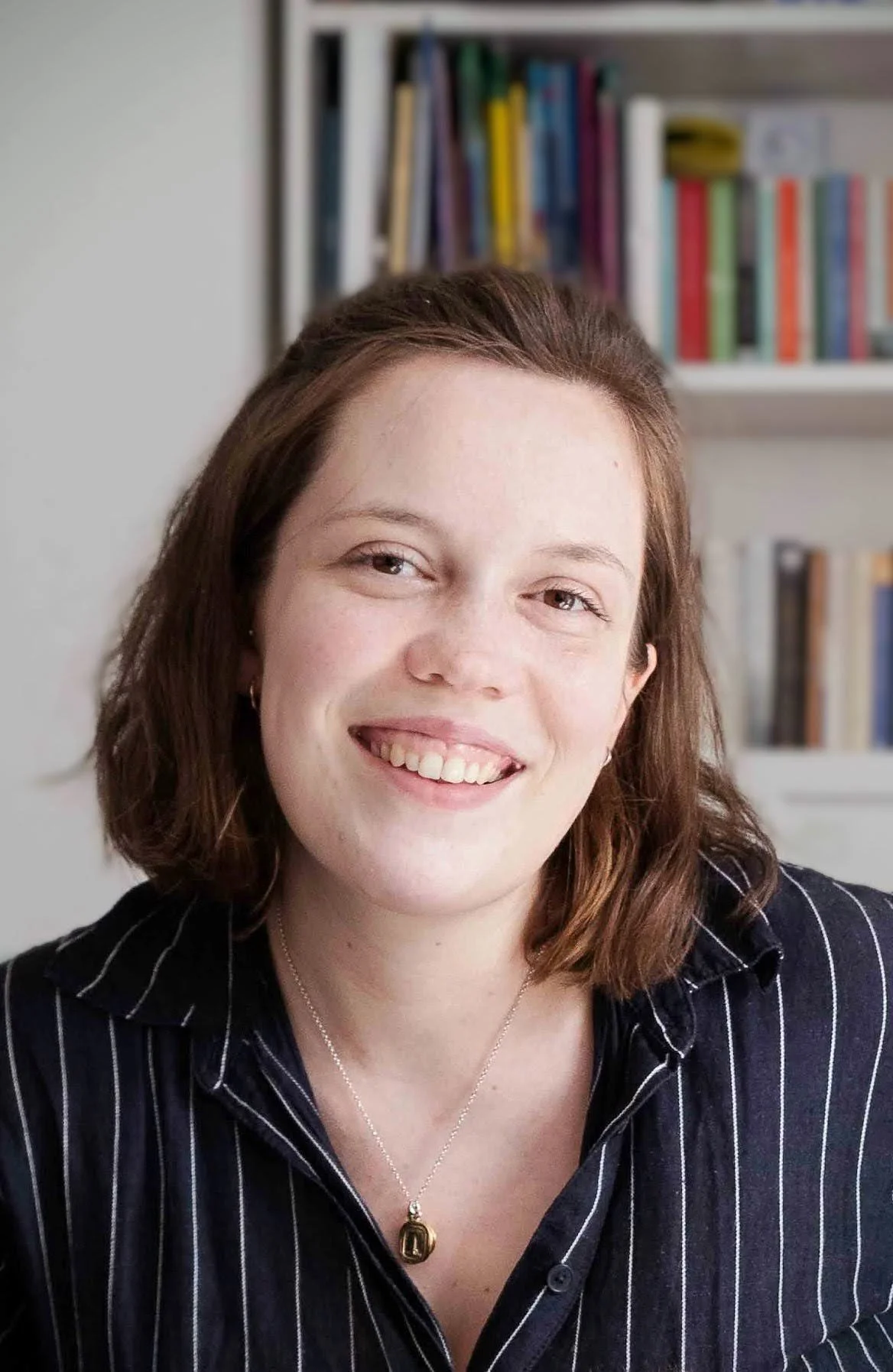
Facing unexpected stillbirth: Vallen and Evelyn’s story
Vallen’s pregnancy with her third daughter, Evelyn, was perfect.
Although she knew that her husband would be deployed at the time of the birth, she was happy and excited as she anticipated the arrival of their newest child. Based in Everett, WA, she had hired a doula for the first time so that she would have support during the birth, and a nonprofit called Soldiers’ Angels, which helps expectant spouses of deployed Service Members to prepare for their baby, showered her with gifts. The day she went into labor - spontaneously, for the first time out of her three pregnancies - was a beautiful, sunny July day.
She recalls that something felt a little off in these early stages of labor, but she didn’t think too much of it. She knew from previous experience that babies’ movements often change at the end of pregnancy, and she remembered doctors saying that it’s not uncommon for babies to feel slower and less active as labor approaches. In the evening, a friend came to pick up Vallen’s older children to take them for the night, and at around midnight, she called her doula, Kendra, to say that she was ready to go to the hospital.
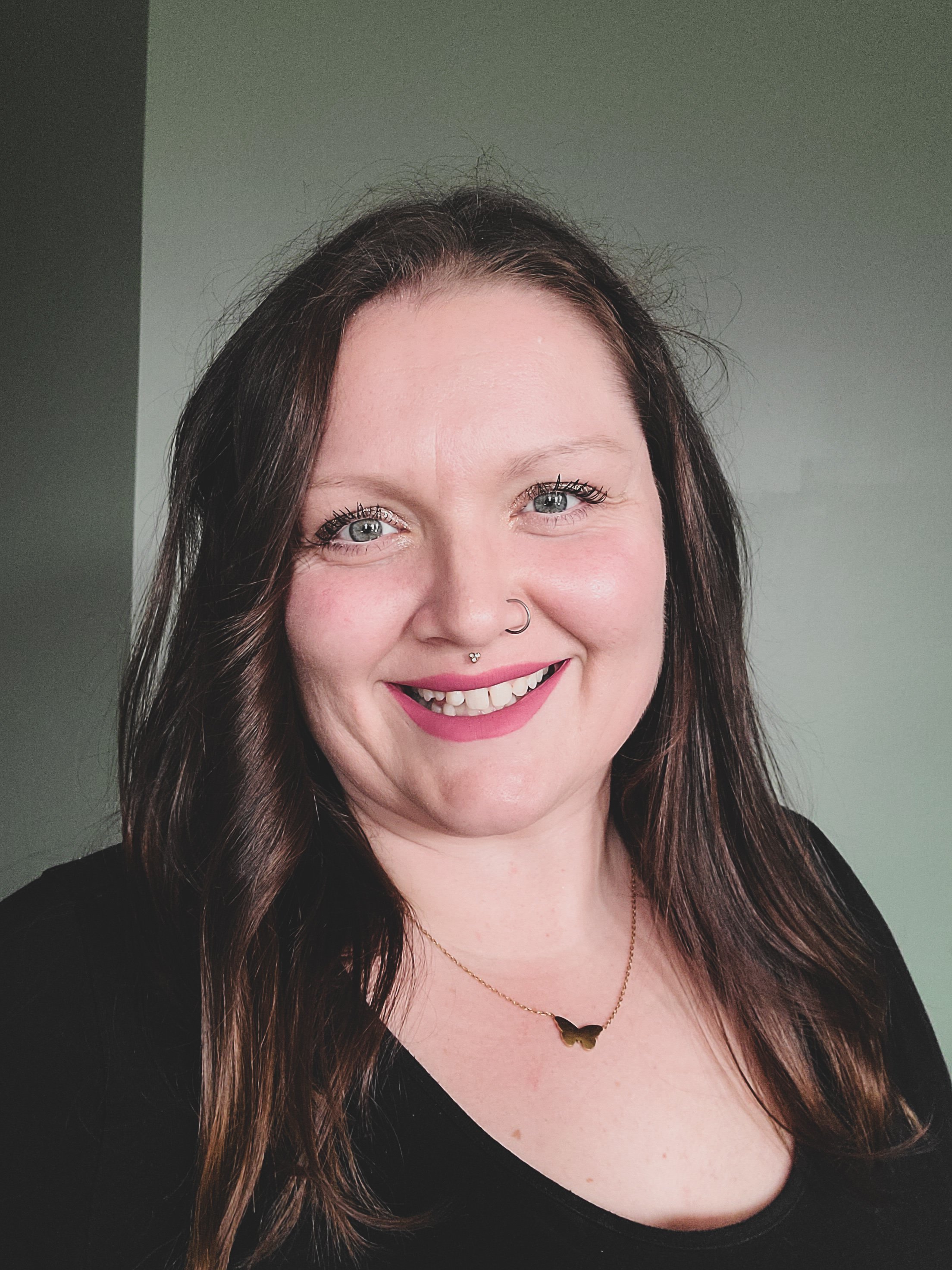
Vallen Webb, Founder of Evelyn James & CO., a training company providing baby loss Education for professionals
Things started to deteriorate quickly upon arrival. In triage, an ultrasound tech did a Doppler test to check Evelyn’s heartbeat, but was unable to detect it. She reassured Vallen that the baby was moving, and a colleague would come to try the Doppler again. When the nurse arrived, she was also unable to detect a heartbeat. Finally, a midwife came to do an ultrasound. As soon as the image appeared on the screen, Vallen - who had been through many ultrasounds across her pregnancies - had her worst fears confirmed: Evelyn had died.
Next came the OB, to confirm what Vallen already knew, but he was unpleasant and lacking in the bedside manner that such a sensitive, painful situation called for. None of the medics in the room were direct in the way they talked to Vallen, leaving her feeling angry that they could not meet her with honesty in the depths of her distress. As she got up to go to the bathroom, she was overwhelmed by an onslaught of panicked thoughts: how would she tell her husband? Her dad? What was going to happen? How was she going to get through this?
The next affront came when the OB refused to honor Vallen’s wish to give birth to Evelyn by c-section. Amongst other things, he mentioned the fact that she was overweight as a reason why this was not a possibility. Although she recognizes that there are real medical contraindications for giving birth by c-section, the OB’s reasoning felt disingenuous to her - she was well aware that OBs routinely insist on c-section deliveries for mothers who don’t want them, often for reasons of their own ease and convenience. She ultimately felt coerced into giving birth vaginally, compelled to lie down for 10 hours as she waited for her daughter to be stillborn. Grieving and angry, she called her husband and dad during this awful period of waiting, sharing the devastating news from afar.
On July 20th, Evelyn was stillborn. The placenta came out with her, leading doctors to suspect that there had been a partial placental abruption, as well as a possible cord accident. However, this explanation was not definitive - there are often unanswered questions when it comes to stillbirth.
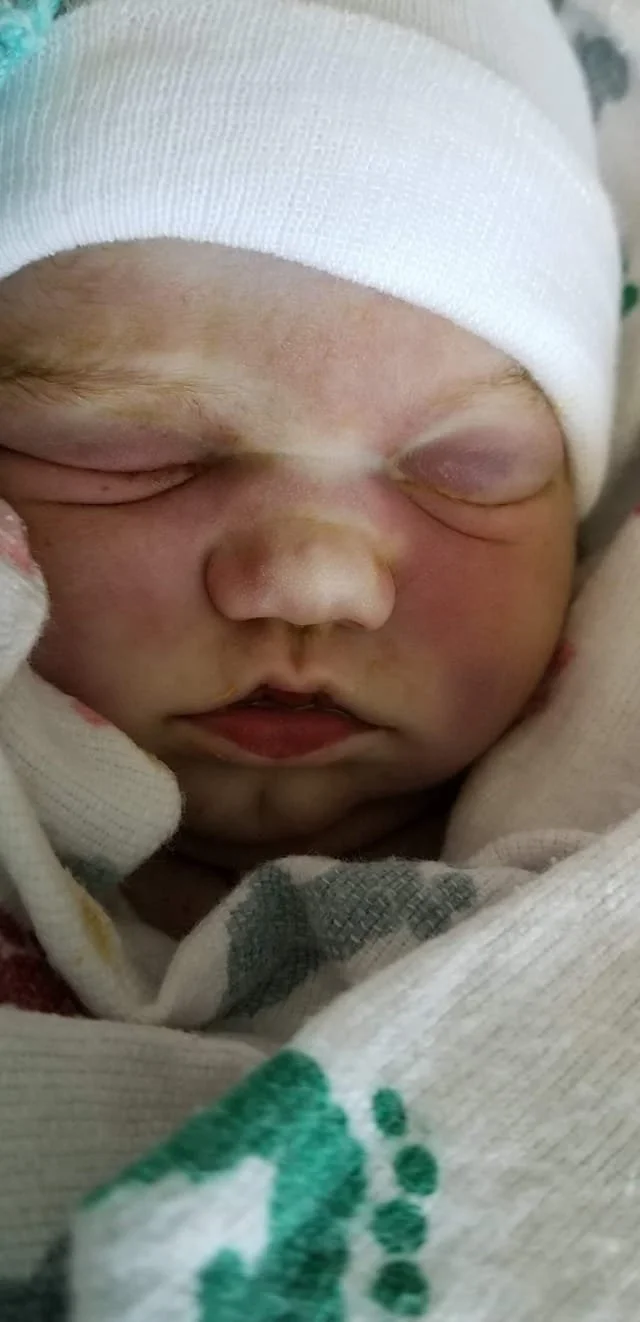
precious evelyn
Kendra, Vallen’s doula, did an amazing job of supporting Vallen, especially considering it was her first time supporting a client facing stillbirth. However, Kendra was postpartum herself, and eventually had to leave to be with her own baby. A friend of Vallen’s came to be with her, and a change in staff when the next shift rolled around improved the situation. The new team were more in tune with what was needed at this highly sensitive and vulnerable time, and one nurse in particular, Michelle, was something of a balm.
Michelle addressed Evelyn just as though she would address any other baby, using her name and affectionately calling her “pumpkin” as she helped Vallen to bathe anddress her daughter.
Crucially, Michelle helped to validate that even though she had died, Evelyn was still Vallen’s baby, that she could still be parented and tended to. Although the hospital did not have much provision for parents experiencing stillbirth - for example, they did not have cuddle cots - she was able to have photos of Evelyn taken by Now I Lay Me Down To Sleep. She had not been sure at the time if this was something she wanted, but in retrospect she is extremely glad that she has these precious photos of her.
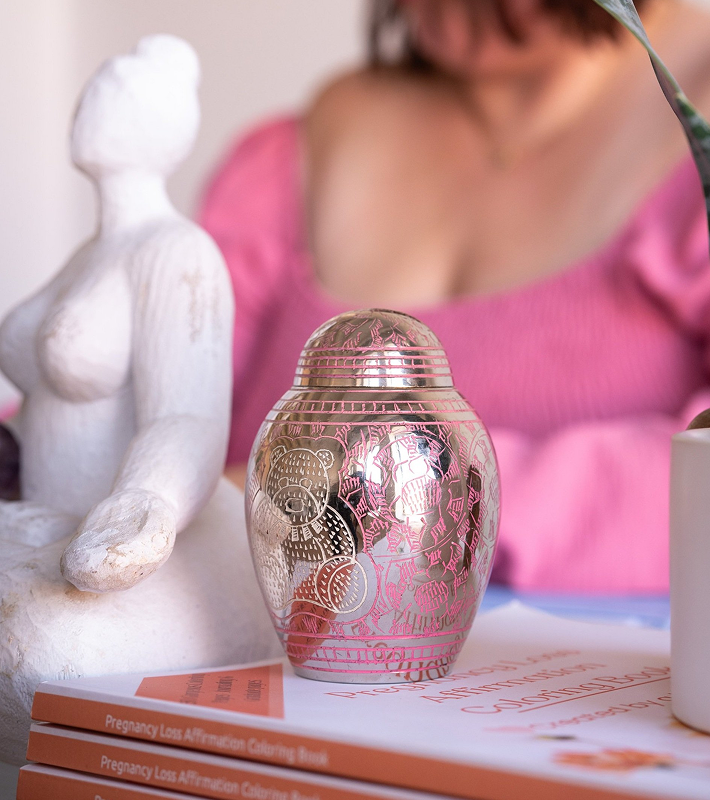
There remained a big lack of communication about the options surrounding Evelyn’s birth and her body. For example, Vallen didn’t know that she could have had her older daughters visit Evelyn, something that she believes would have been a good thing for all of them. She didn’t know how long she was allowed to stay with Evelyn before leaving. The question of how to lay Evelyn to rest was particularly complicated because, as a military family, she knew the family would relocate at some point. She wished to have Evelyn cremated, but this was a big expense for a young family. She was put in touch with the TEARS Foundation, which was able to provide her a loan for the cremation costs and also informed her about a life insurance policy that she was entitled to as a military family.
Vallen’s experience with the stillbirth of her daughter, Evelyn, revealed just how unprepared many hospitals and care teams still are to support families through baby loss. In response, she founded Evelyn James & Co., a company dedicated to improving bereavement support through professional training, family resources, and meaningful support tools. Through this work, she equips doulas, providers, and other support people to care for bereaved families with greater compassion, confidence, and understanding, as well as creating resources and gifts that help families feel seen and supported in their grief.
Vallen also discusses these themes on her podcast, Pregnancy Loss and Motherhood.