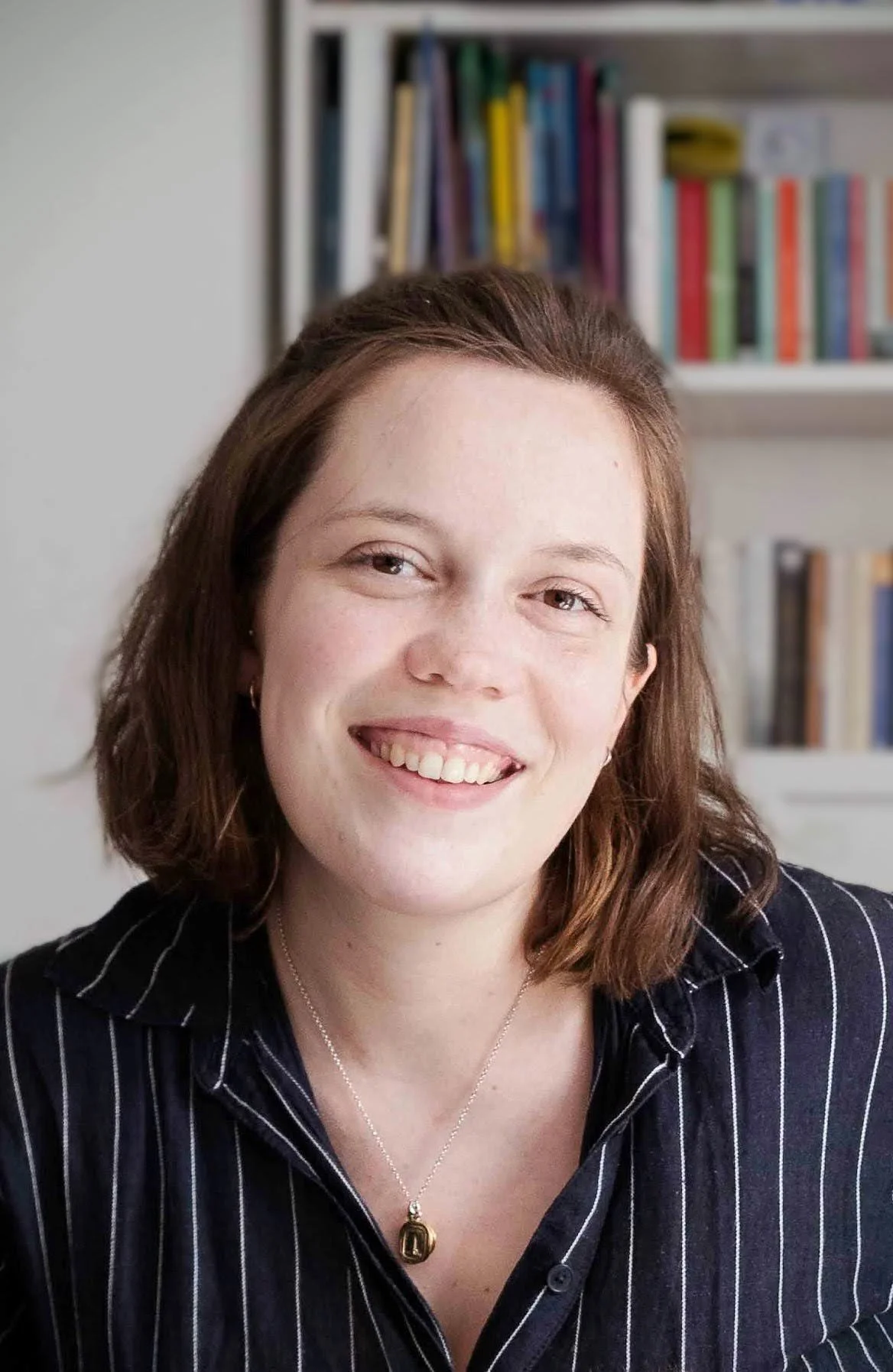
Beyond the vanishing village:an interview with Julia Jones about the past, present, and future of postpartum care
Imagine a world in which postpartum care is not seen as a luxury, but as a self-evident necessity; where it is understood that the most valuable thing a new mother can do is feed, love, and bond with her baby, while other people take care of her; where the work of those who care for mothers and babies is valued as much as - or more than - a high income, high status career.
This is the world that postpartum doula and postpartum doula trainer Julia Jones of Newborn Mothersis trying to build. I interviewed Julia about the need for a fundamental shift in mindset about how we view the postpartum period, and the kind of support that mothers need and deserve in the days, weeks, and months after giving birth.
Being a postpartum carer is probably, Julia told me, one of the oldest professions in the world.
Although some cultures historically had a strong tradition of midwifery, this was not always the case. And yet, mothers would always have received postpartum support - help with cooking, cleaning, and feeding the baby. Now, it’s hard even to convince pregnant women that they should seek postpartum care, and typically it is women who have already been through a difficult experience of postpartum who seek it for subsequent pregnancies, or who decide to become postpartum doulas themselves. It often arises from a sense of, “I want to support other people so they don’t feel this way.”
So what went wrong? Why is postpartum care no longer valued?
“There’s been a deliberate undermining of women’s work. For hundreds of years, we’ve been dismissing women’s knowledge and caring work, and any professions traditionally thought of as feminine. After the World Wars, it was decided not to include caring work in the measure of GDP. So it’s not surprising that many women have an innate sense that they want to do care work, but they doubt if it will be valued. This is the same problem we have in teaching, nursing, early childhood education, aged care.” The result is that both mothers and postpartum carers are harmed. Mothers feel that they should not need help, and that it is a luxury to receive it. Postpartum carers do not receive either the respect or the financial compensation they need for it to feel viable. “People don’t think it’s real work”, Julia says.
Another problem is the lack of cultural awareness of the vulnerability of a postpartum mother, and not just of newborn babies.
“People have this idea now that all you need at the end of birth is a mother and a baby” - if they’re both alive, then the “job is done”. Although it is a wonderful thing that mothers and babies are much more likely to survive birth now than they were in the past, it has contributed to a lack of understanding of what a delicate time it is - for mother and baby. A greater awareness of this reality could contribute to an improvement in community-based postpartum care: people need postpartum care “not just from a doula, but from the whole of society - having this role respected and valued, being more financially supported to take care of children. It’s all part of the same cultural concept.”
Although Julia is herself a postpartum doula and trains others who want to do this important work, she believes that it has only become necessary because of the disruption in knowledge that was not previously taught in a systematic way.
“Postpartum care was an oral tradition, passed from mothers to daughters for millennia. If we had been able to pass on this knowledge, we wouldn’t need postpartum doula training. But in the majority of the world, this lineage has been broken, and we have so much misinformation and wrong, harmful information. So we need to study in order to unlearn some of the cultural conditioning that we have. The unlearning is what is necessary.”
She believes that whilst the professionalization of postpartum care is necessary if there is to be a brighter future for postpartum mothers, there also needs to be a return to community-based care - these things are not mutually exclusive. “I hope families - husbands, sisters, mothers, grandparents - have a better knowledge of the value of caring and know how to provide postpartum support in a non-professional way. But I also hope that the industry professionalizes, and that we have more highly qualified, respected, and well-paid postpartum carers. These things can happen hand-in-hand, at community level, as well as becoming a serious professional pathway.”
To learn more about Julia’s work, visit Newborn Mothers, and check out her book, Newborn Mothers: When a Baby is Born, So is a Mother.