A review of Newborn Mothers: When a Baby is Born, So is a Mother by Julia Jones
When I finished reading Newborn Mothers: When a Baby is Born, So is a Mother, by postpartum doula and postpartum doula trainer Julia Jones, I felt sad. I felt sad because the book had made me realize how deeply I’d internalized the idea that a successful postpartum period means “getting back to normal” as soon as possible; that my value as a mother is defined in large part by my ability - or lack thereof - to “do it all”. I remembered when, after the birth of my third child, which was my third c-section, I took my relatively easy post-surgery recovery as a signal to resume many of my usual duties earlier than I had when my other children were born. At two weeks postpartum, I found myself back at the hospital with excess bleeding.
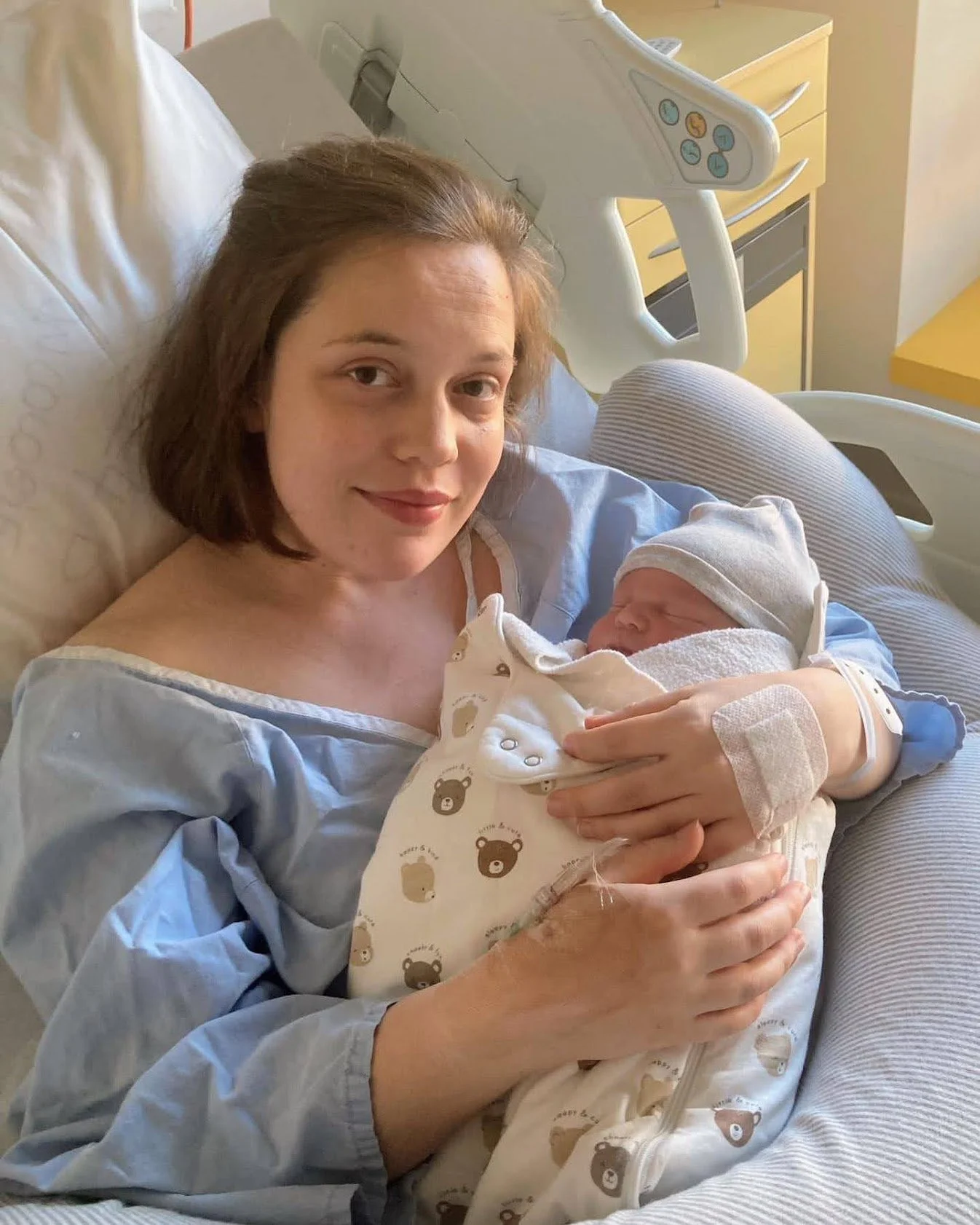
Me as a newborn mother with my newborn baby
I was sad for all the women who give birth and feel that now they’ve completed the main event - birthing their baby - their job is to show the world that they can still be useful with a baby in tow; who feel that in order to do motherhood well, they need to prove how successfully they can juggle caring for a baby with caring for a home, older children, a job, a social life, keeping all the balls in the air and not complaining.
Julia uses a mix of science, history, and sociology to demonstrate to the reader that this is not how it was meant to be. The crux of the issue, and Julia’s central thesis lies in the fact that, until very recently, “babies were seen as a social responsibility, not an individual choice” (p. 62). When babies are seen this way, it naturally follows that communities are invested in the well-being of the postpartum mother, too, who has done the lionshare of the work by gestating and birthing the baby, and now needs protection, rest, and nourishment in order to provide her baby with what it mosts needs - food and love.
For the vast majority of human history, alloparents - defined as “non-parents who provide infant care with, or sometimes instead of, parents, within and beyond the home” - have been heavily involved in childrearing. In fact, scientists now believe that this collaborative, social approach to parenting is how humans have evolved to be highly intelligent (pp. 56-59). This means that supporting mothers is not just a historical norm, but a scientific imperative for human flourishing.
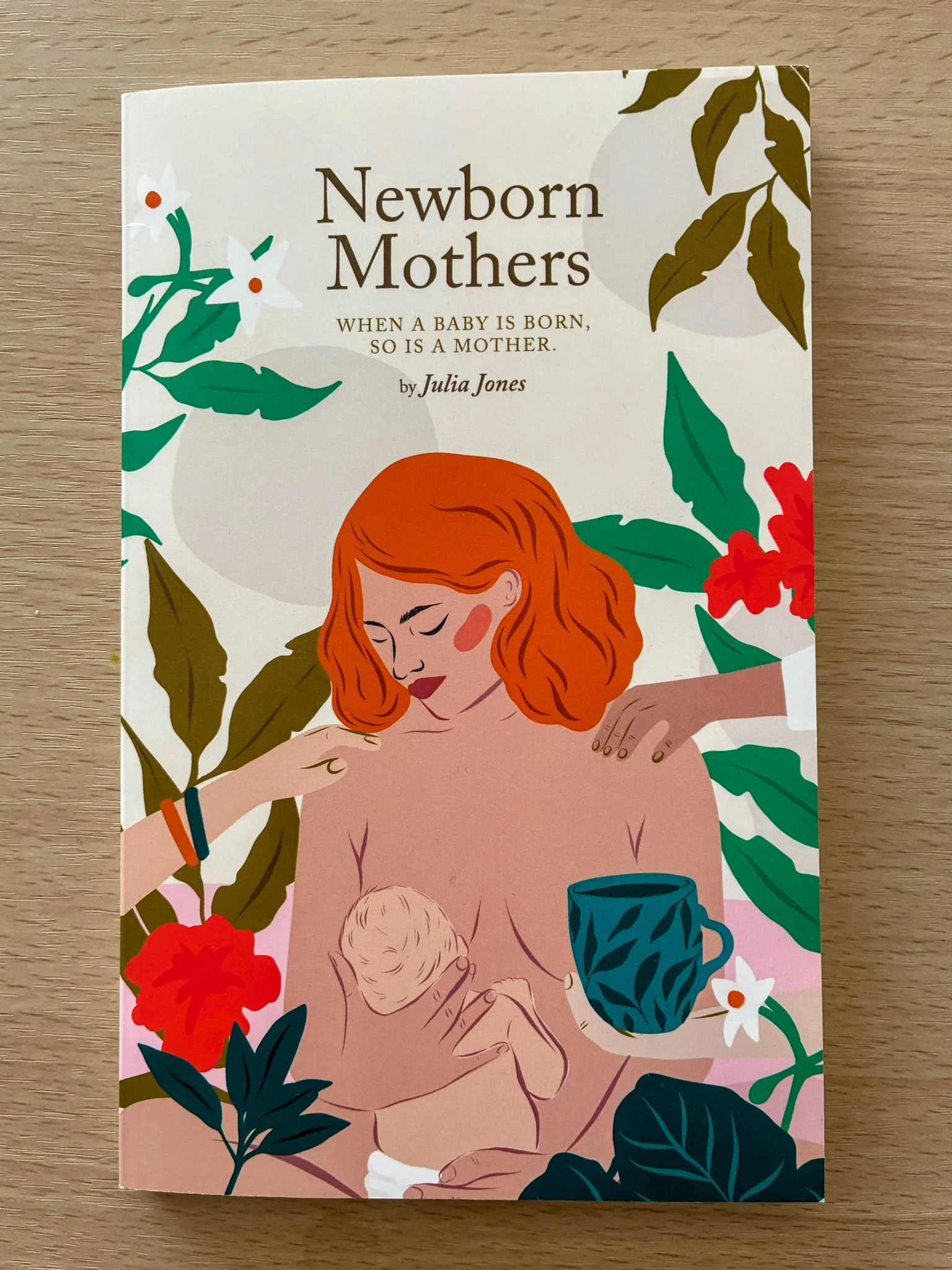
Newborn mothers: when a baby is born, so is a mother by julia jones
Of course, it’s easy to talk about the importance of “the village”, and much harder to actually cultivate one. Julia acknowledges that nowadays, it’s usually necessary to pay for at least part of our village, for example in the form of childcare or cleaners - or postpartum doulas. Society has evolved in such a way that few people in the developed world can rely on the support of a network of extended family or friends to participate in the upbringing of their children in a regular, ongoing way. But if we want to have any chance of getting back to a world where mothers have time to rest and recover post-birth, allowing them to nourish and bond with their babies, and parents are supported in the critically important work of raising children with love and connection, then we have to start asking for, and offering, help. Whether it’s asking a neighbour if they can help with the school run, offering to do a couple of loads of laundry for your postpartum friend, or putting a loved one intouch with a postpartum doula - the village will only come back if we build it.
To learn more about Julia’s work, visit Newborn Mothers. Her book, Newborn Mothers: When a Baby is Born, So is a Mother, is available on Amazon and many other book vendors.