What does a postpartum doula do?: How postpartum doulas can help families thrive in the post-birth period
If people know anything about doulas, they tend to think of birth doulas, who assist during pregnancy, labor, and birth - and often assume that they are only for mothers who want to have an unmedicated home birth.
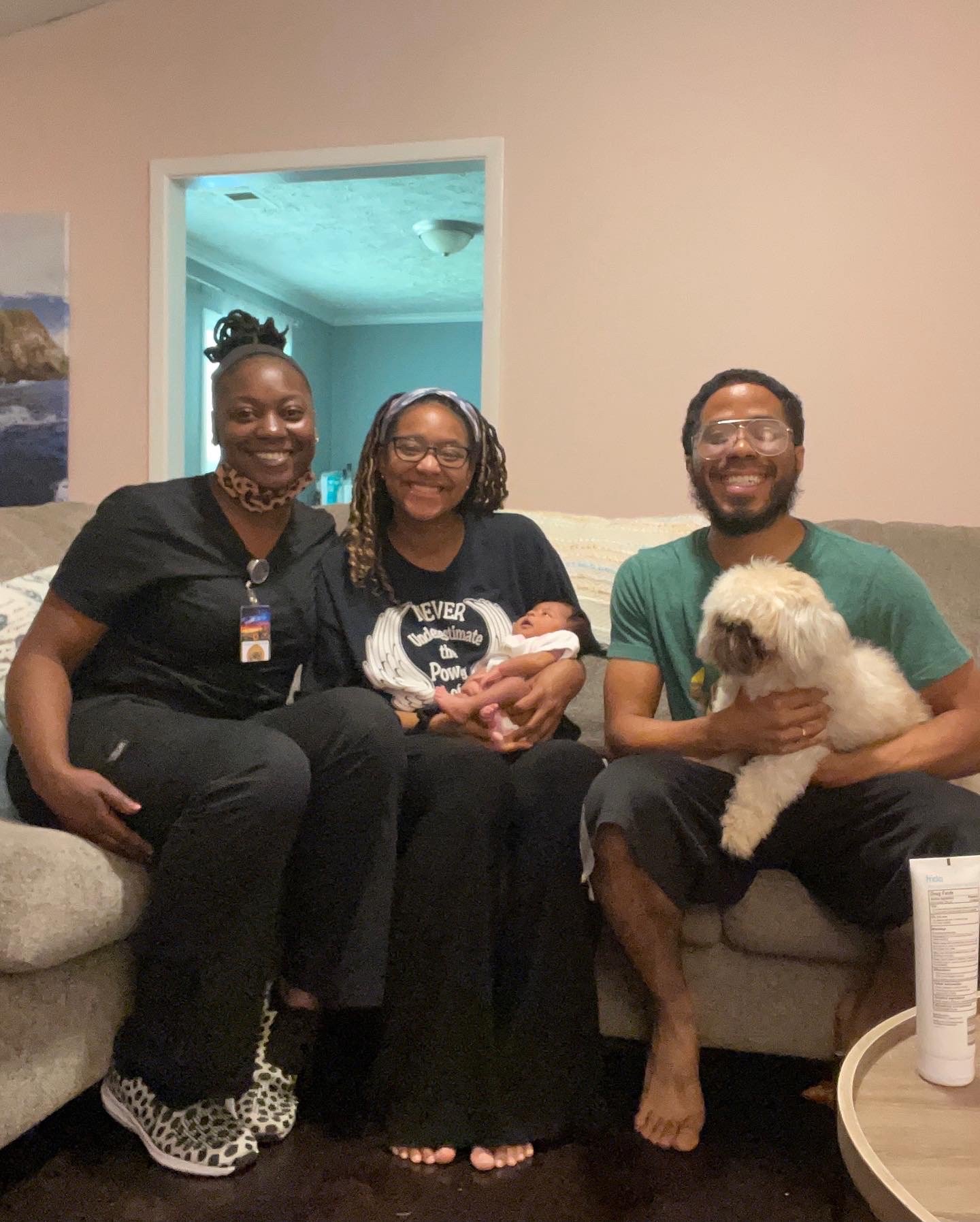
Lakesha Quarles (left), a 2024 Global Doula Project grant recipient, is a birth and postpartum doula in south carolina, USA
Although there are certainly doulas who offer this kind of support for those who want it, this only represents one facet of doula care. Postpartum doulas represent another dimension of doula work, and provide support for new parents in the period after birth.
At a time when social networks and infrastructure to support families after the birth of a child are often sorely lacking, postpartum doulas can do vital work in bridging that gap.
A postpartum doula’s work can be far-reaching and flexible, and is responsive to the needs of the family. As well as offering practical support such as holding the infant or tending to household needs, she can also tend the emotional needs of the mother, as well as other members of the household who might face difficulties in adjusting to the transition of a new baby. This could mean giving space for the mother to voice her anxieties, concerns, frustrations, or even the weight of the love she feels for her new baby. It might also involve helping dad with his shifting responsibilities in the family, or helping siblings with an activity while the parents take a much-needed rest. A postpartum doula can even help take care of light housework or meal preparation to lighten the load for mom and dad.

Amanda Mellina Gutierrez of california, Usa, is a global doula project scholarship recipient
Postpartum doula Amanda Gutierrez says that her biggest job is “supporting the birthing person. While most would center attention on the baby, my job is to center the mother.”
With the excitement of a new baby, many people - often including the mother herself - forget that mom needs someone to make sure that her physical and emotional needs are met after the all-encompassing transition of birth. In addition to being attentive to basic needs like nourishment, hydration, and rest, postpartum doulas can play an important role in identifying when a mother needs additional, external support. This could mean referring her to the correct services to diagnose postpartum depression (PPD) or anxiety (PPA), or recognizing delays or abnormalities in physical healing processes. The postpartum doula can then point parents in the direction of someone who can offer the further help that they need, acting as a trusted intermediary between families and medical professionals.
Each postpartum doula will differ in the particular ways she or he supports a family, but the International Childbirth Education Association (ICEA) states that the work of the postpartum doula promotes “more solid family relationships, and successful postpartum outcomes”.
The birth of a new child is an enormous physical and emotional transition for a mother, but it is also a transition for the family unit, and a postpartum doula can make the difference between the family unit feeling strained and frayed, or it feeling bonded and united as they welcome the newest member.
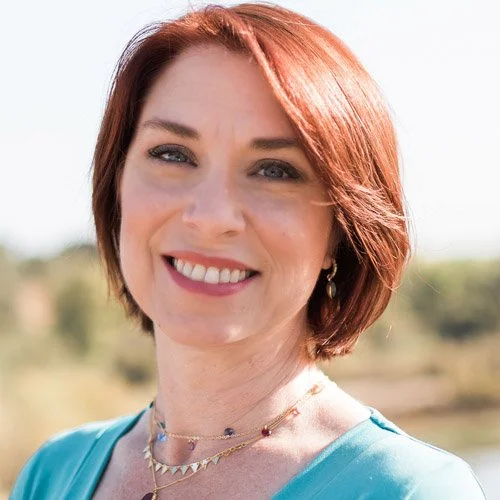
Teri Nava-Anderson is the founder of harmony doula, an organization offering doula services, education, and mentoring.
Teri Nava-Anderson, a birth and postpartum doula trainer, says that postpartum doulas should help their clients “thrive during this short period in their lives, not just survive it.”
Unfortunately, many new mothers lack the resources and community that they need to thrive postpartum, and instead feel they must simply ‘get through’ this challenging phase.
A postpartum doula can play an important role in filling in the gaps in the care network, and allow a family to savor and enjoy the fragile and sacred postpartum period.
At the Global Doula Project, we are working for world where all families receive the support they deserve during life’s greatest transitions, including the postpartum period. You can support our grant and scholarship programs by making a donation. Want to share your doula story? We’d love to hear from you.