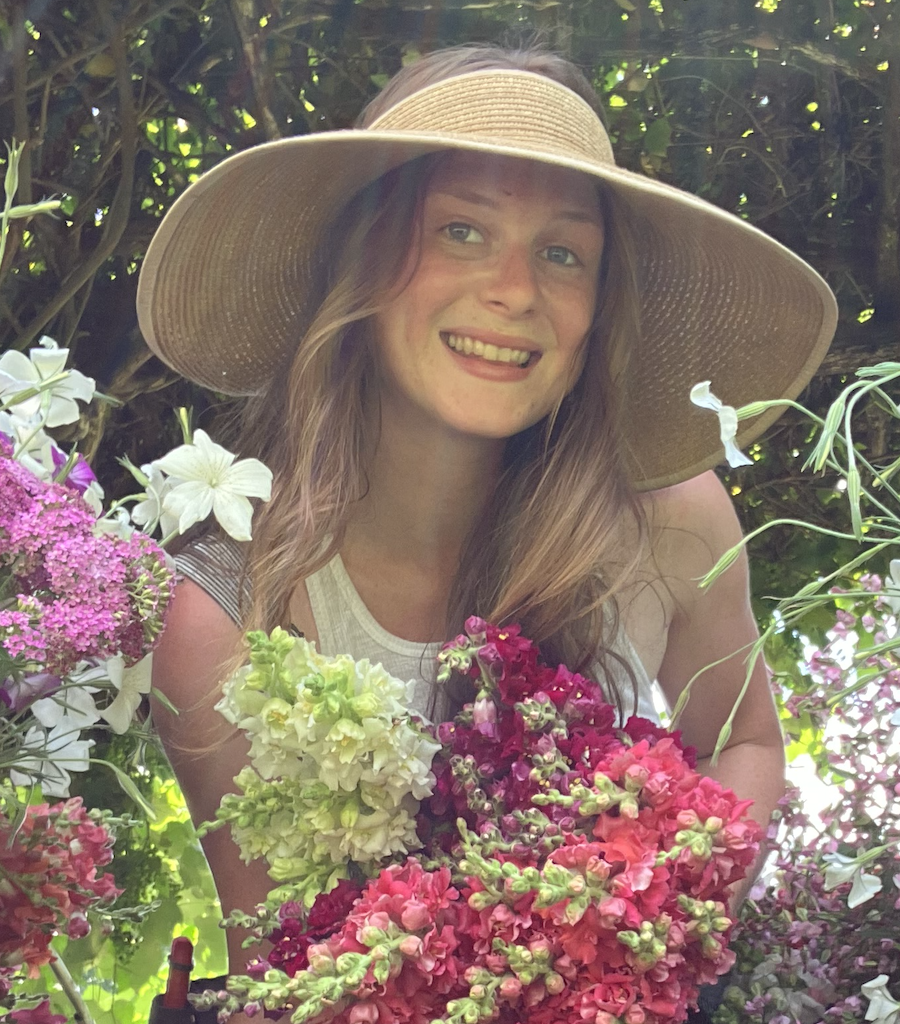
I’m a grief tender and postpartum doula: how my mother’s love prepared me for this work
My mother’s name was Maria.
The following are excerpts from a full interview with postpartum doula Regina Kelly on the Birth, Death and Doulas Podcast. You can listen to the full episode here.
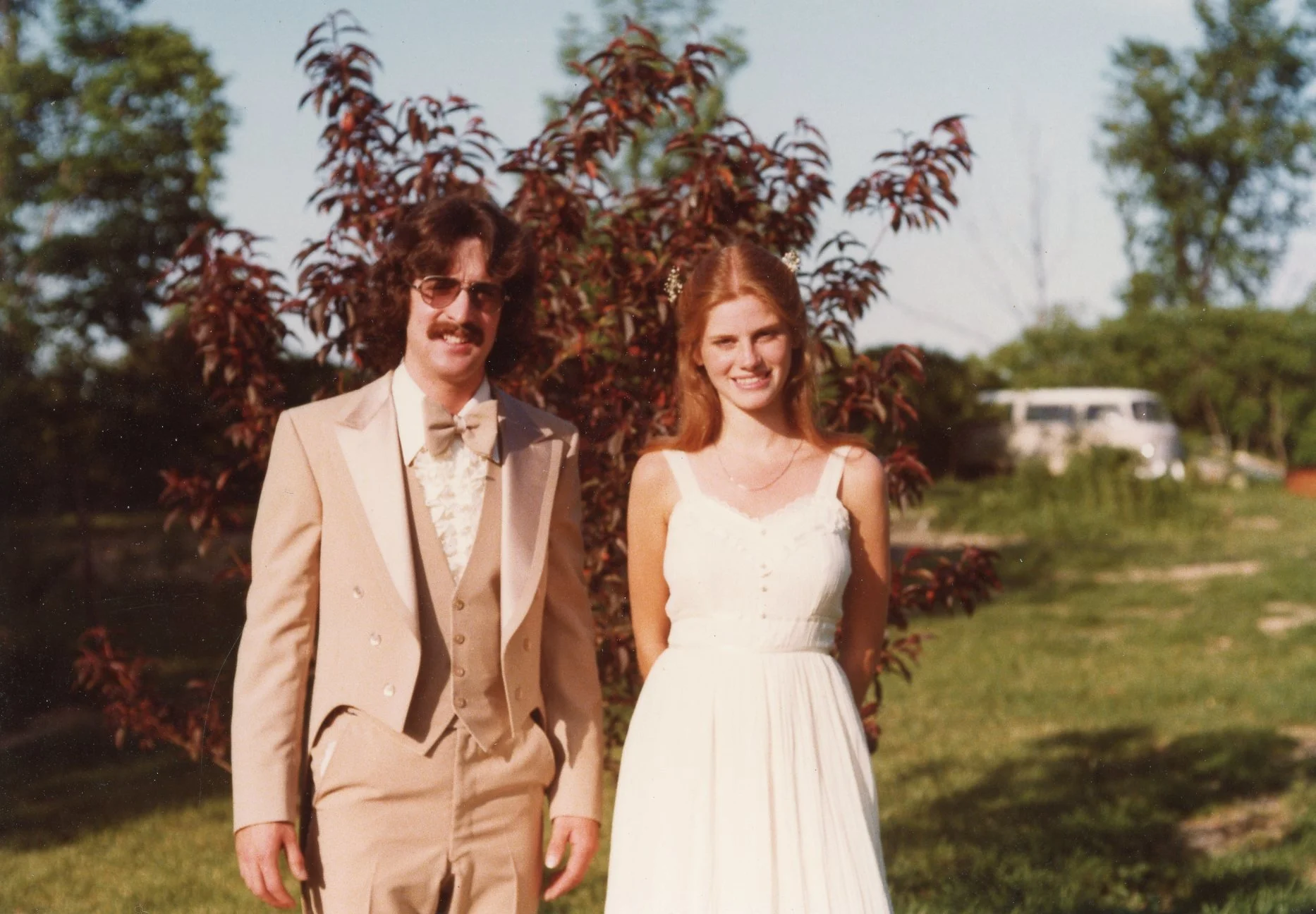
My parents
She was such an unbelievable human, an earth angel, truly. And she was also such a caregiver, a caretaker of so many people, her children, other people's children, the land, her beautiful flower garden, everything. And so she taught me so much of that. I only had her for eight years. So I really only got her beautiful caregiving, tending, her devoted motherly love.
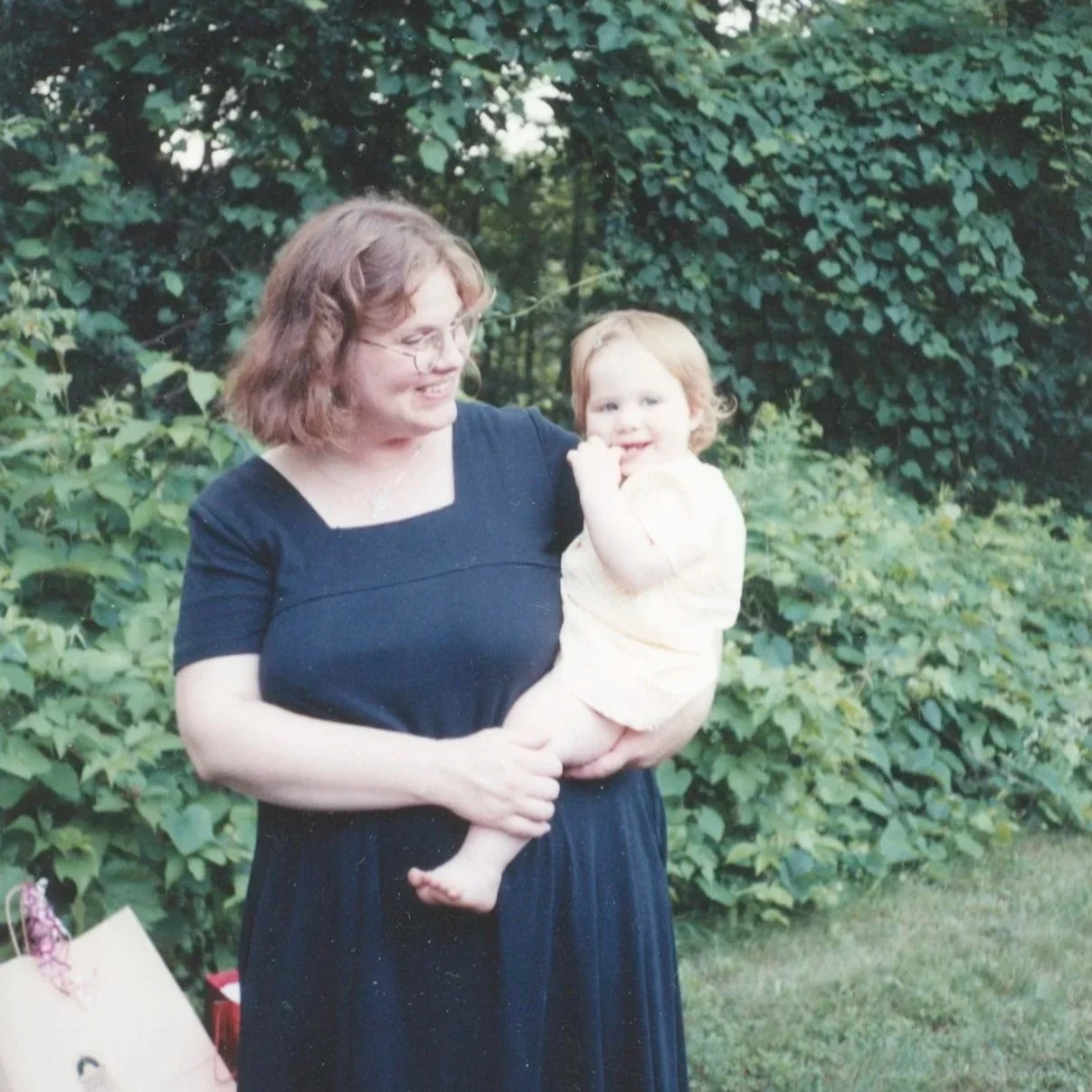
I never really left my mother’s side
One time my mom tried to go to an auction and left me alone with my father. I locked myself in my bedroom with the phone and I called my mom until she answered and my dad was on the other side of the door saying, “leave your mother alone!” And my poor mother had to come home. I never let her leave the house without me.
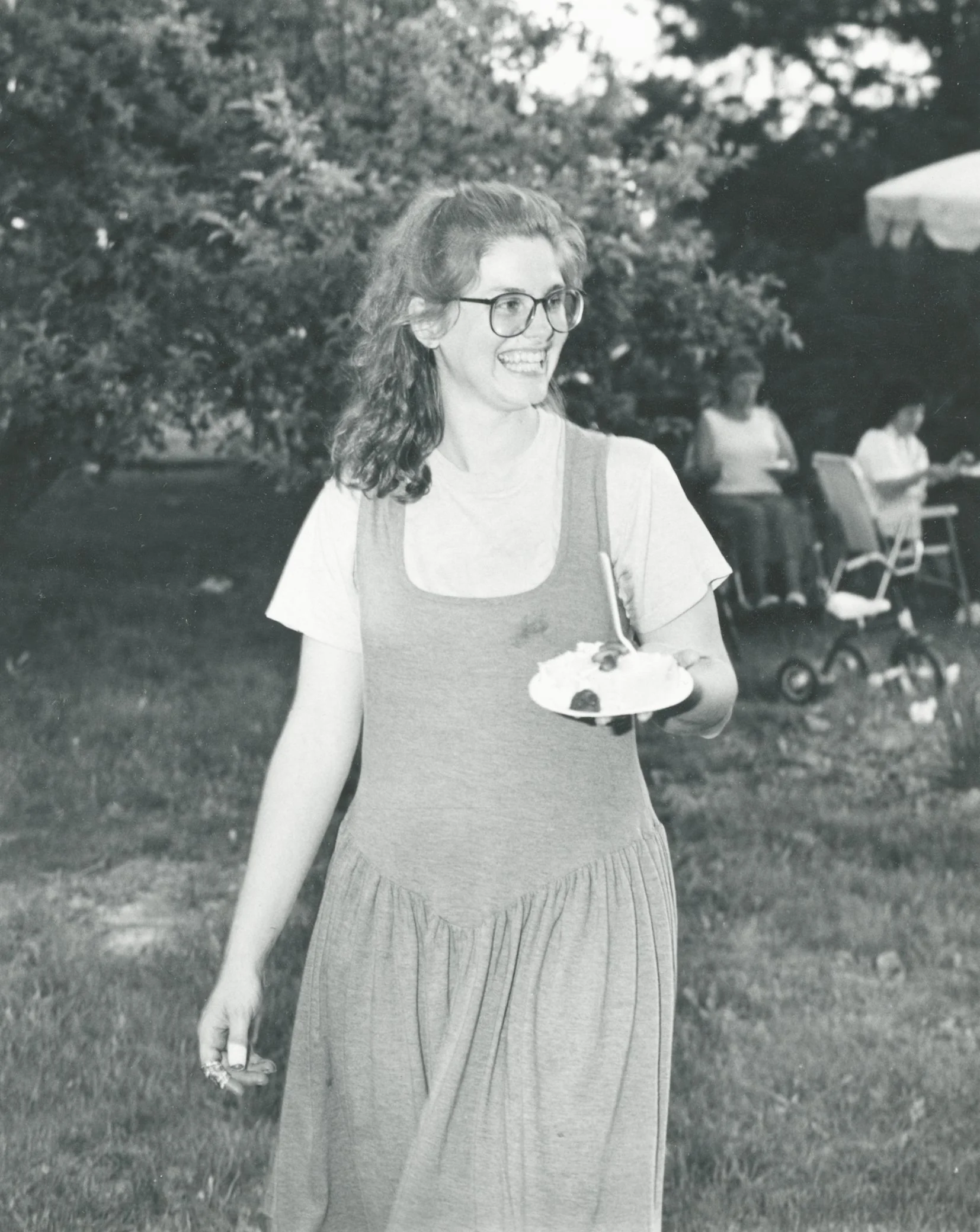
Ria Was the one you called
She was the one who everyone turned to you to ask, “how do we do this?” They called her Ria. Ria was the one you called, you know, she had the answers, even if she hadn't walked that path that you were asking questions about. So my mom's death was, well we all had to kind of figure out death and grieving and we all did it in different ways.
My mother died mysteriously, in her sleep. Like an angel.
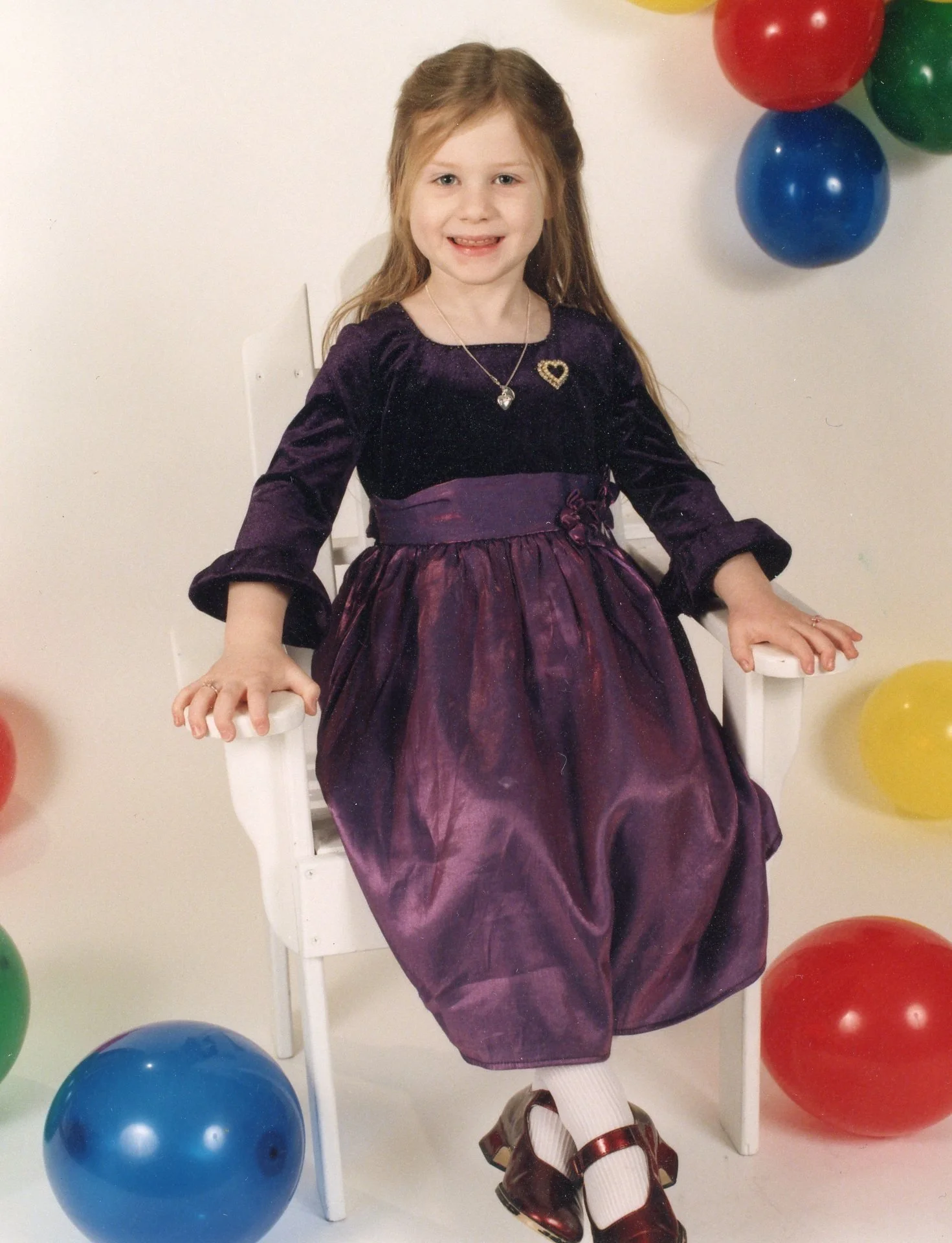
me as a preschooler
I actually grieved alone a lot of the time. My Aunt Laura was somebody who supported me and I would sleep at her home and she was really present for all of the things that would come up for me. I had horrible panic, my legs shook in bed, I was terrified to go to sleep because my mother had died in her sleep. I would put my little fingers on my pulse and do all sorts of things like trying to calculate, okay, her head was in this position when she died, so maybe that's why she died. My little brain was really oversaturated.
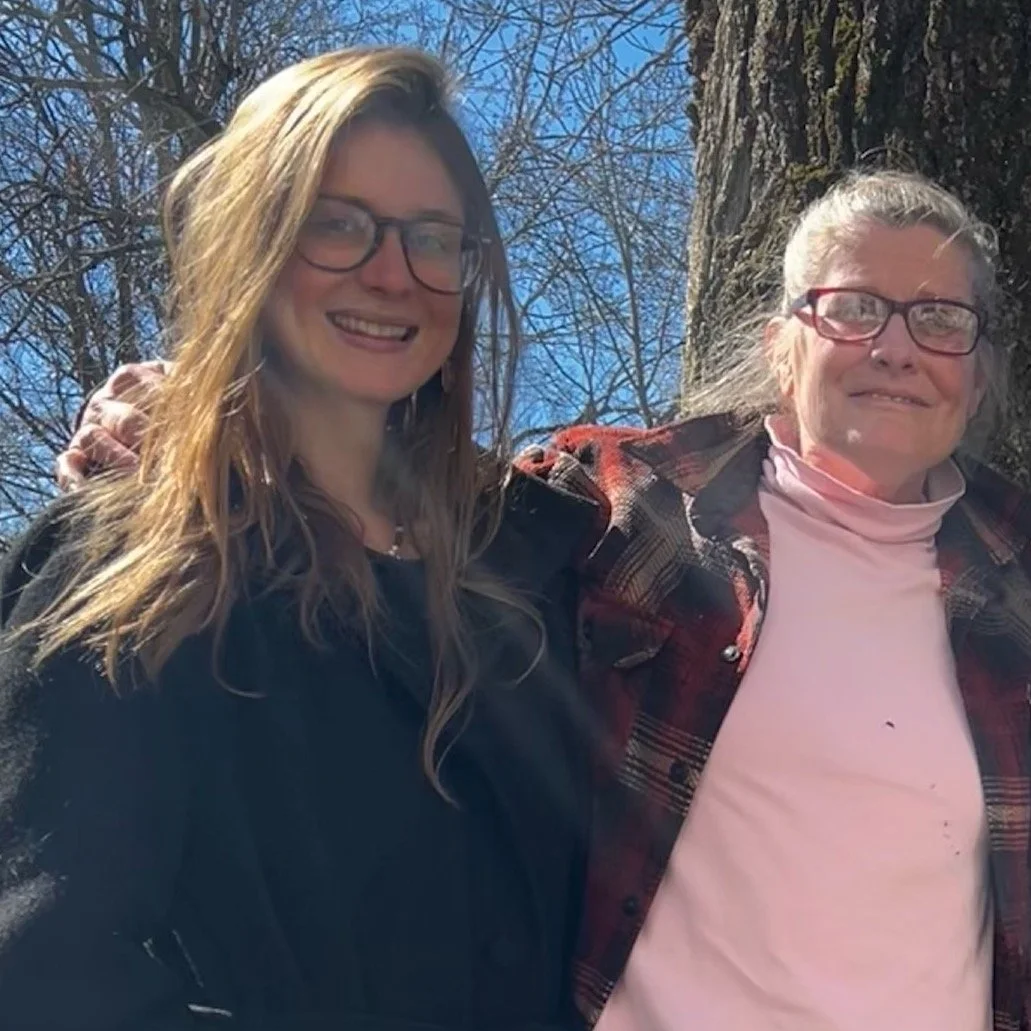
My aunt laura and me
I was really isolated and angry and sad and my dad and I didn't know how to communicate and I look like my mother. I don't think he could really even face me. It was just the two of us in the house and yeah it was really intense.
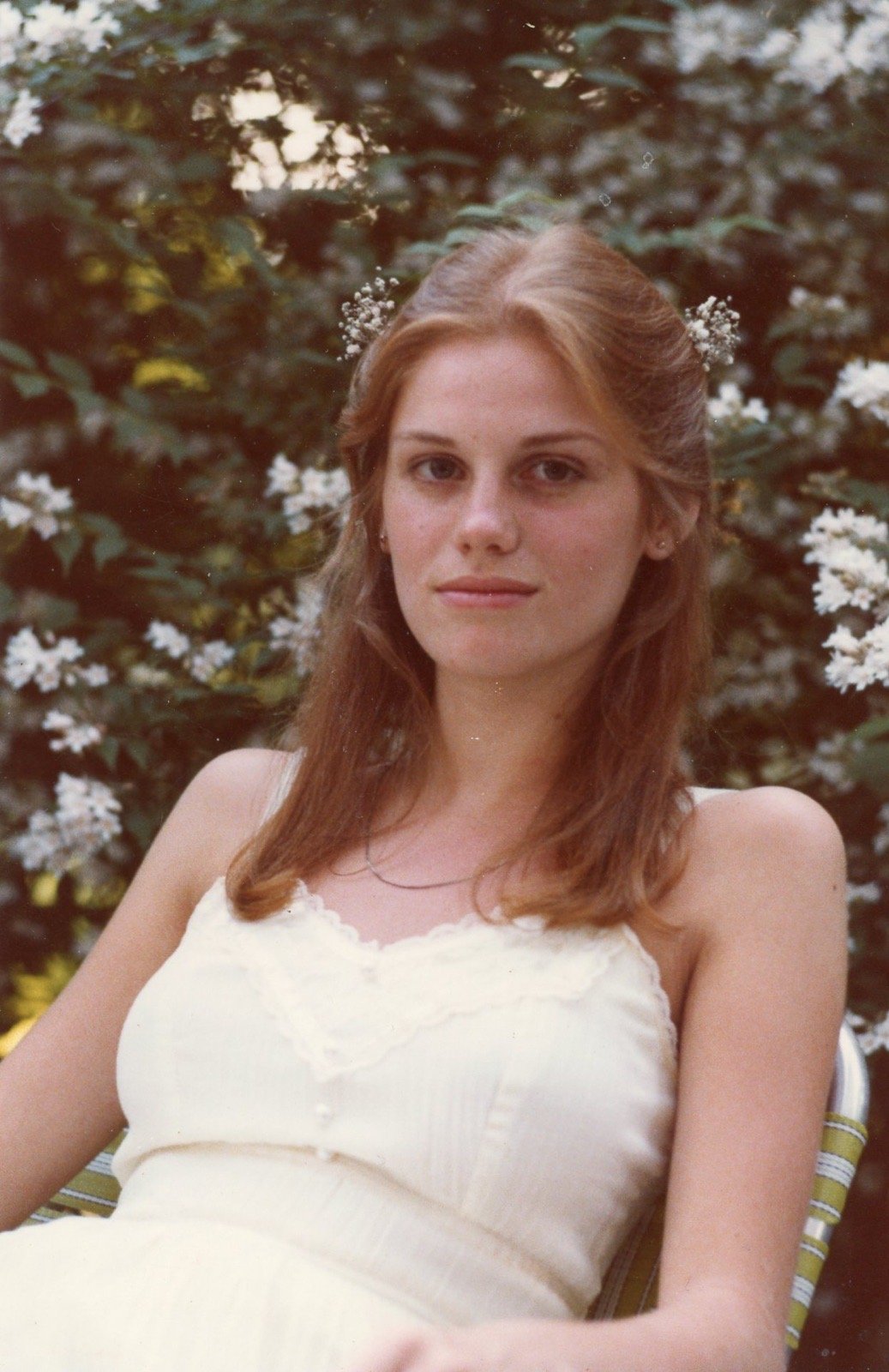
My beautiful mother
Interestingly, it was food that helped me through my grieving. I said to my dad, I really want to start eating 100 % local food. I want to eat local meats. I want to go to the farms. And we already had gardens in the family, but we weren't eating local meat. And my dad was like, if you want to do that, you need to get your own job. And so I did.
It feels funny to say, but that was really the turning point where my panic stopped. I was cooking for myself. My older sister would take me to health food stores and farm stores and I'd buy local meats and just learning about ingredients and really nourishing myself in a way that was different than I had been nourishing myself prior. And like, I remember I would, I just started breathing before I was eating and taking my time. And that's when I started feeling a shift towards healing. It's very interesting. And then it also allowed for so many more emotions to come through. And then it was maybe 16 or 17 that I learned how to dance, not through a class, but just home alone, playing music loudly on the television and dancing.
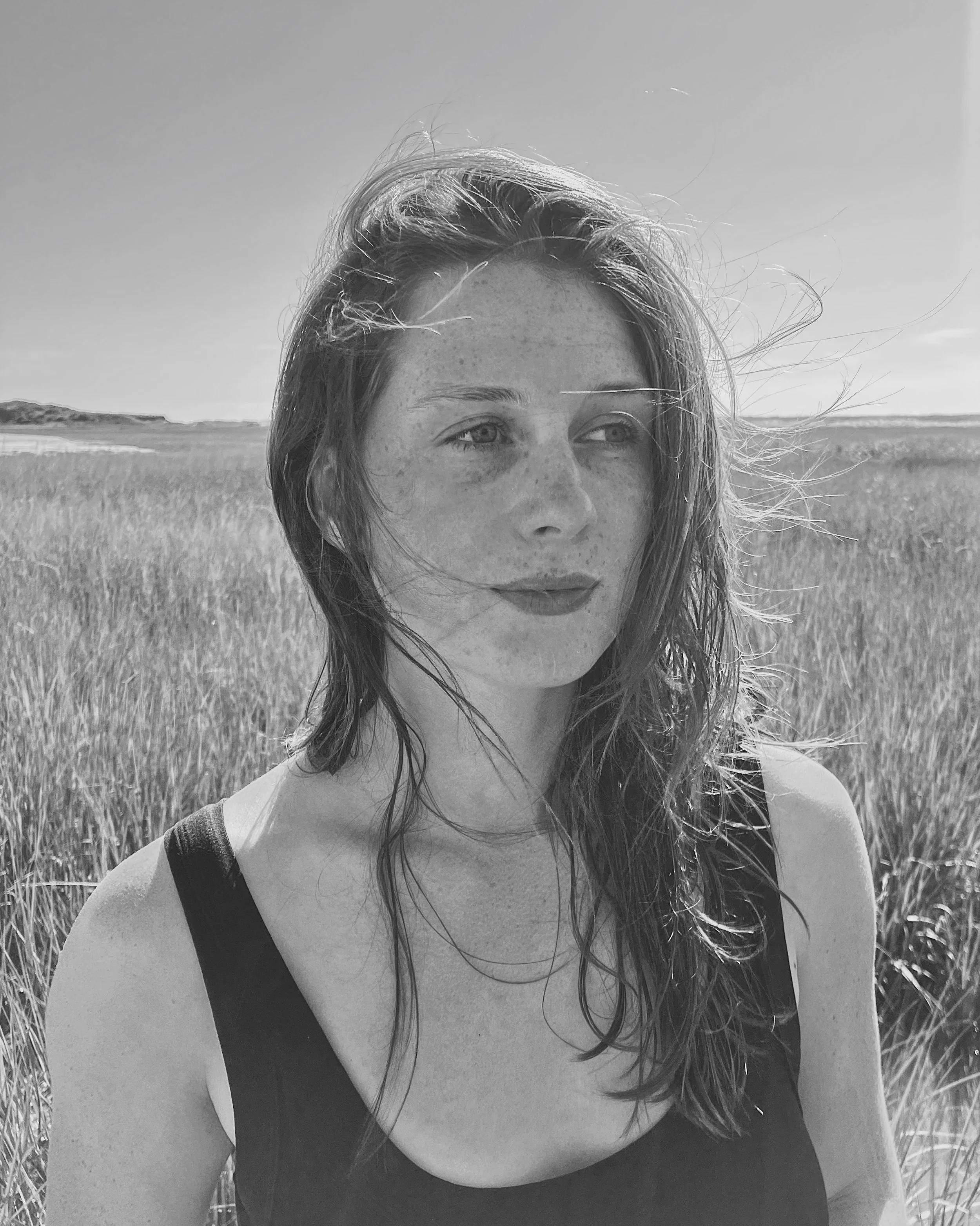
me
The feeling of your mother no longer being on Earth is so real. I almost can't even stand my belly button being touched. And I recently had a moment of like, wow, well, that's the actual tether to my mom. I was grown inside of her. I am of her. And the belly button is such a memory of that.
I also do feel her presence in so many things. I feel her presence inside of me. I feel her guiding presence just in my day to day.
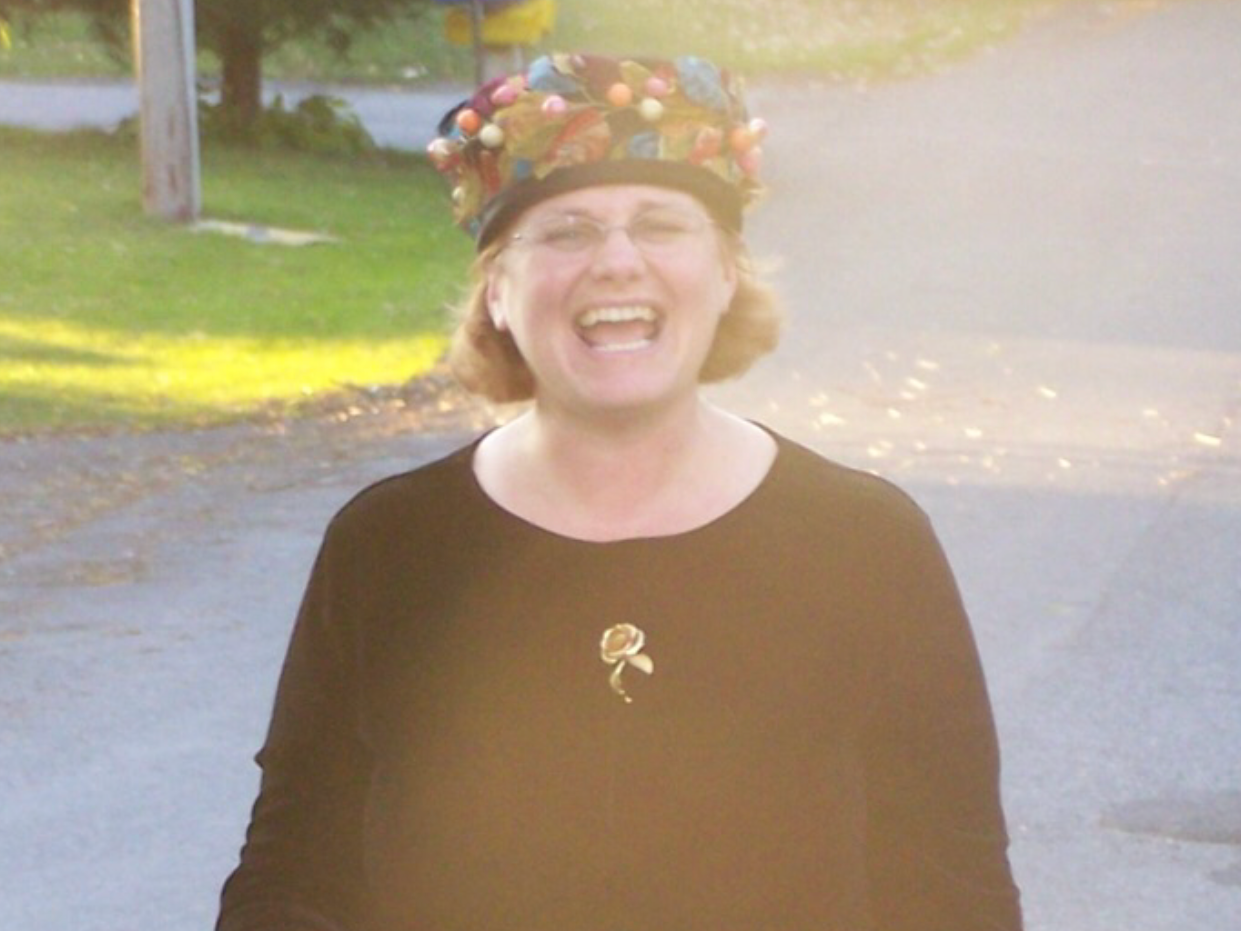
Halloween was one of my mother’s favorite holidays
I've grown up through the lens of my mother dying and therefore, yeah, looking at the world, yeah, it was such a formative time. It's hard to put into words, but I know it has impacted me greatly and I feel the gift of having the mother I had.
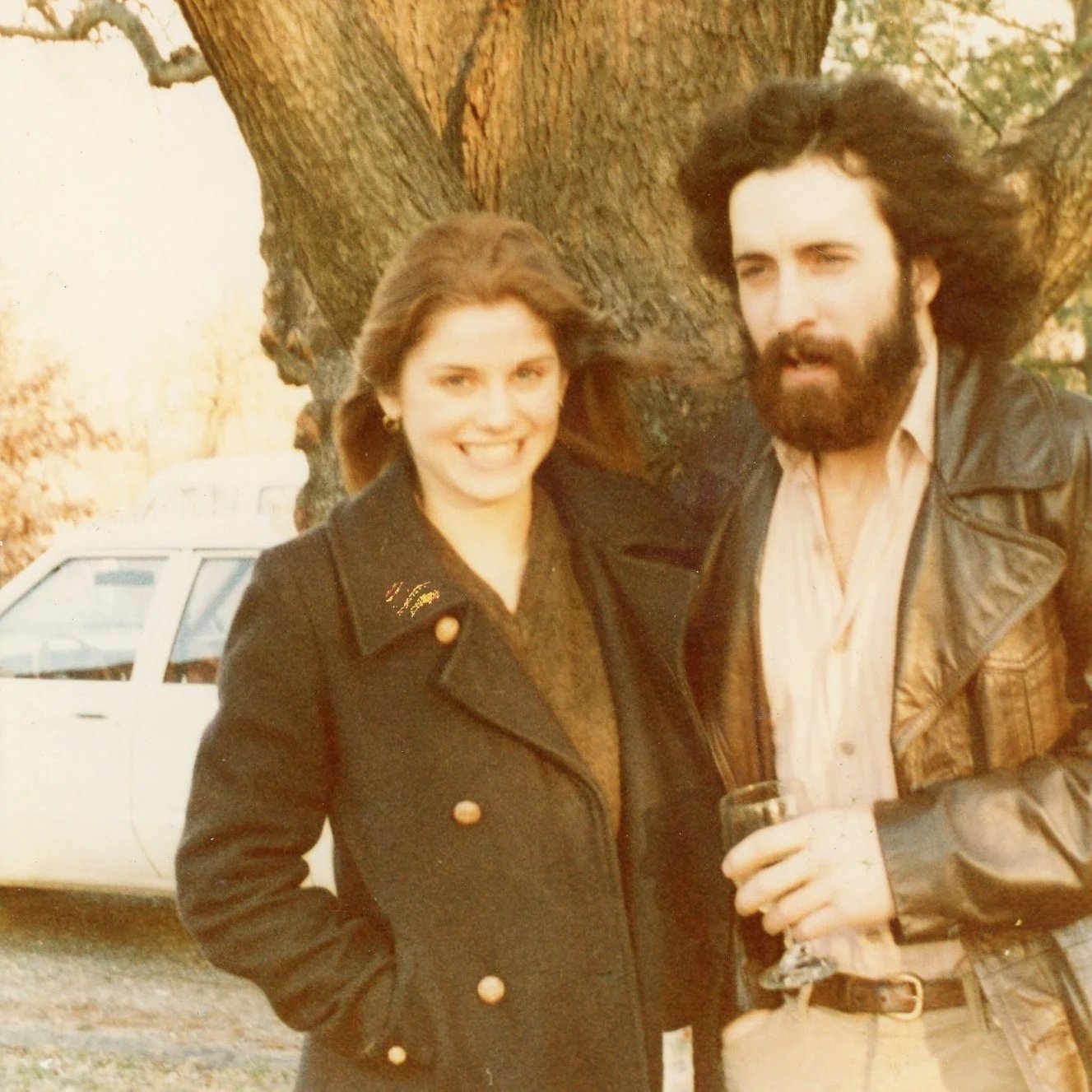
My parents in the 1980s
My mom was a writer and she left so many stunning stories that she had written. There was one about motherhood and letting go:
My brother and my sister were five years apart and my sister was a baby, so my mom would usually have her in the stroller or on her hip when she would go and get my brother off of the bus. And we had a very long driveway. And there was one day where she was with my sister, and my sister happened to take a nap at the time that the bus was coming. And it was the first time in a very long time that my mom could go to the bus to get my brother without my sister. And so she walked down alone to the bus stop down the driveway. And my brother got off and he was delighted that his mother was alone. She could just feel that. And he reached for her hand and then they walked up the driveway and he let go of her hand. And she wrote in the story, it was a beautiful note to parenting and to being a mother. She wrote, ⁓
sometimes your children will hold your hand for perhaps the last time and you have to have enough common sense and grace to let them let go and then use that hand to wave them on.
And I think that's so beautiful.
That little quote of hers is such a gift for grievers too because we do also need to that that courage and common sense as she said and grace to let go and wave them on. It's so hard. It's the hardest thing.
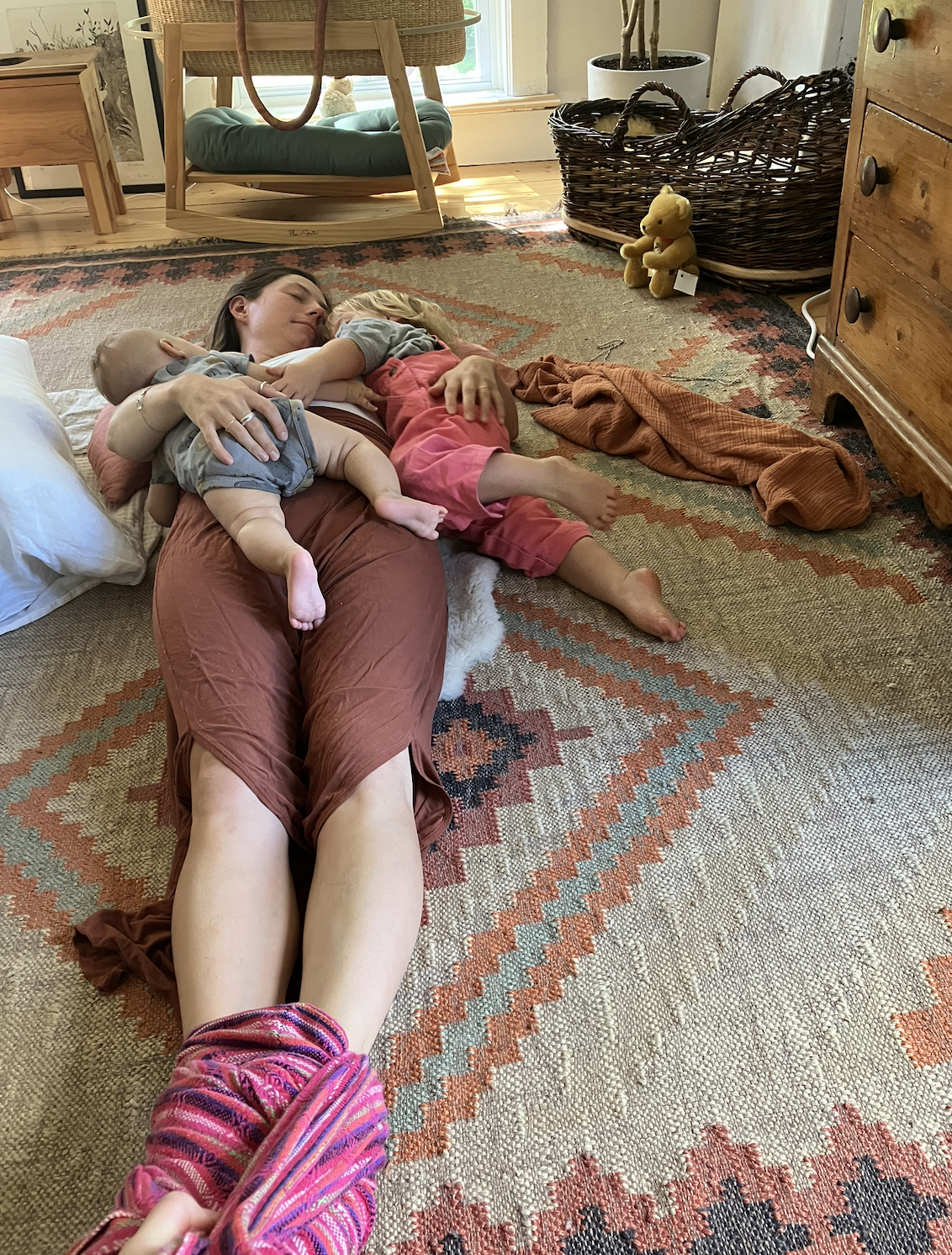
Postpartum mother and her closing of the bones ceremony
I entered the postpartum world because I had this experience and I had the mother that I had or have the mother that I have. My experience in grieving and understanding what it means to go walk through transformation.
You know, you're birthed anew with every wave of grief that you experience. Postpartum is very much this, you know, even if you're a mother for the 10th time, you're still born anew in that experience. It's the birth of a baby, birth of a mother, birth of a father, birth of a whole family system, no matter how many times it happens. So, yeah, I really wanted to be present for that transformative time.
I just I really felt that my my mother gave me such a gift to carry this work on and it's through her that I learned how to give care but then it's through her death that I learned how to be present for transformation.
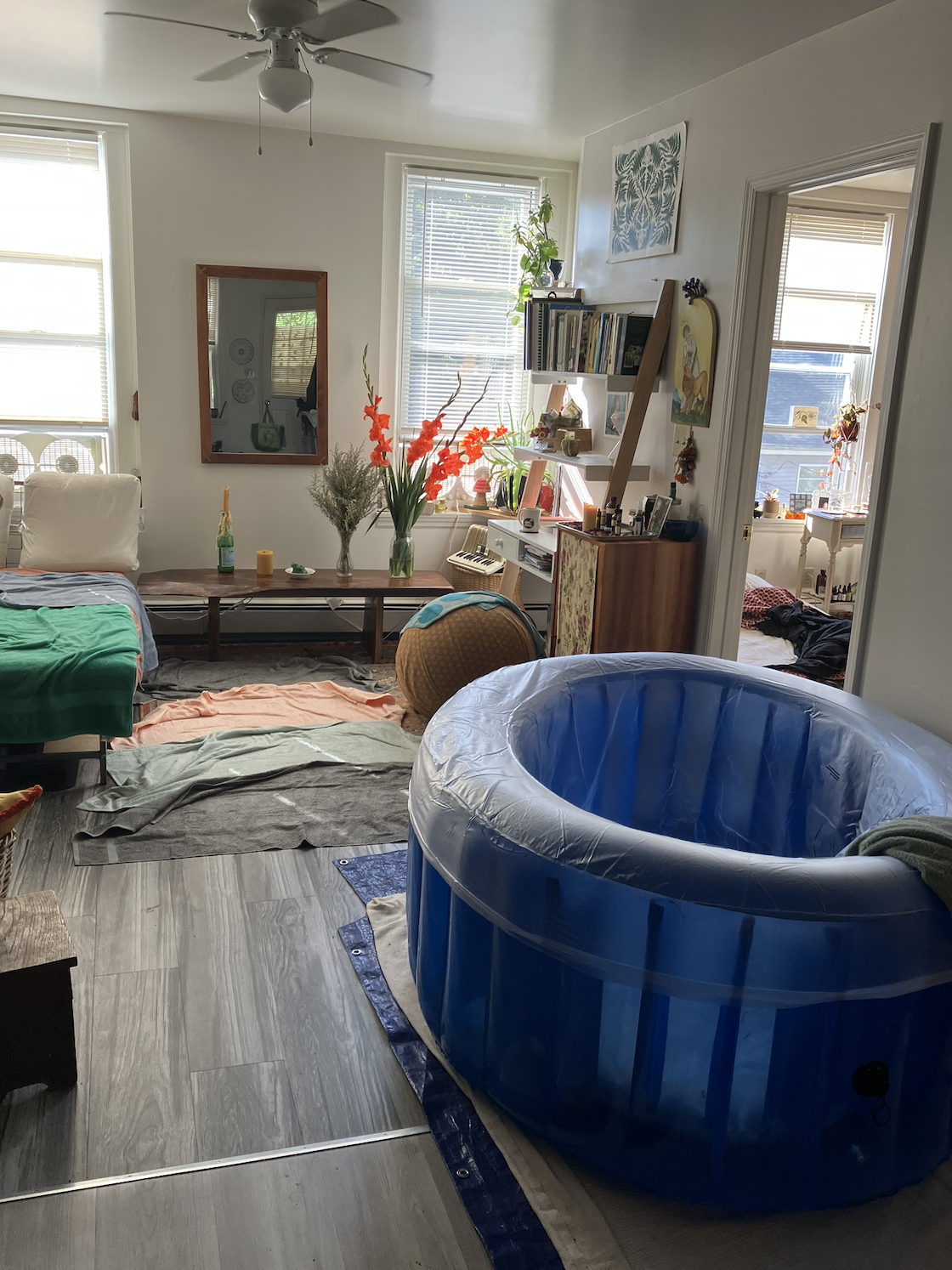
home birth set up
What I love about the Global Doula Project is that it is speaking to the truth that A, we can't do this alone and B, a new way is coming onto Earth, informed by the old, but also something entirely new has to be born in the way we care for people after birth and after death. Because we're not meant to be doing this alone, and we're not even meant to be doing this in like the small nuclear families or even the partnerships, you know, we're meant to do this where you have multiple people tending to each other, and we have to get creative in the modern world, you know, like with meal trains.
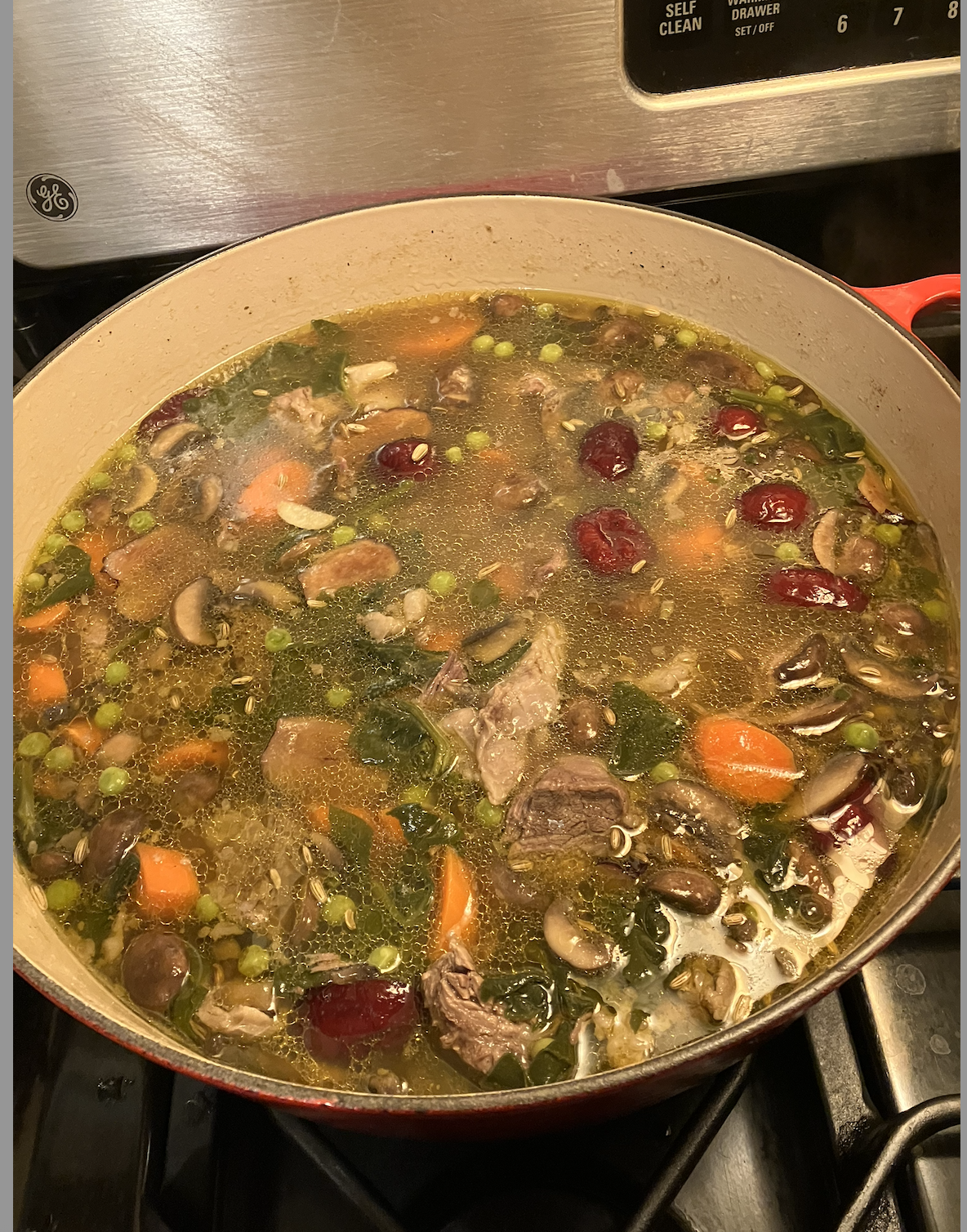
soup for a postpartum family
It's just essential to know how to offer this community care, but our society makes it really hard. We have the nine to fives, you can't take time off, you can't have a flexible schedule. You have to take care of your own family, feed your own family. How can you do that for another family, you know? And if you're an undernourished mother yourself, how are you going to show up for the new mother in your community? You know, it's very hard.
I really do hold the vision of these changes coming to both death and new life postpartum on our Earth. I think our work as doulas is essential and there will certainly always be doulas, but I also think, at least for me, one of my goals is that there's not a massive need for my services because their friends and families know how to offer these services and I could just be a nice add-on to what care they're already receiving.
Support in birth and in death is our birthright. We all deserve to be held and cared for.
Listen to Regina’s full story in the podcast episode “Born anew”: the transformative effects of birth, postpartum, and death.